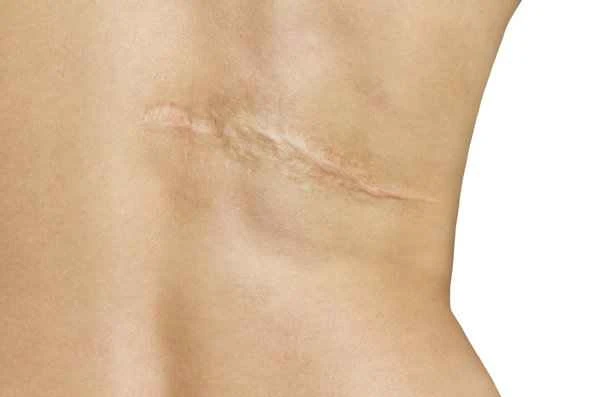
When caring for scars in winter, it is important to keep the scar area warm and moderately moist.
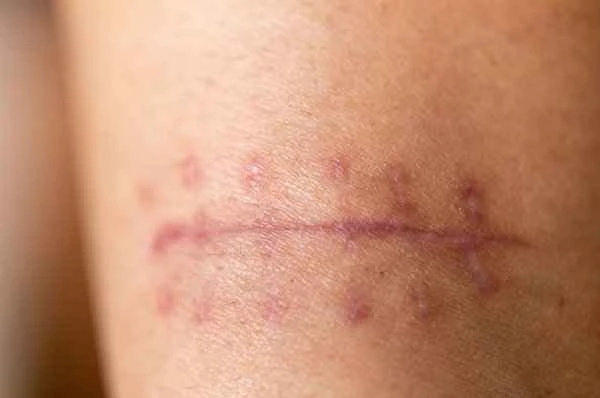
Dry winter air can easily lead to moisture loss from the skin, which in turn affects scar healing. Scar tissue is inherently fragile, and a dry environment can cause it to crack further, potentially leading to itching and pain. Keeping the scar area adequately moisturized is key to scar care. At the same time, low temperatures cause blood vessels in the skin to constrict, slowing blood circulation and affecting the nutrient supply and metabolism of scar tissue; therefore, keeping warm is also an important measure for scar care.

For scar care, first use a moisturizing cream or a specialized scar repair cream to keep the scar area hydrated. Choose non-irritating, hypoallergenic products and avoid skincare products containing irritating ingredients such as alcohol. Wear warm clothing, especially for exposed scar areas such as the arms and face, and pay special attention to keeping them warm and avoiding direct exposure to cold winds. Regular, gentle massage can also help improve blood circulation in the scar tissue and promote its recovery.
[Life Tips:]
1. Use a moisturizing cream or scar repair cream to keep the scar area moderately moist.
2. Wear warm clothing and avoid direct exposure to cold wind on the scar area.
3. Regularly perform gentle massages to promote blood circulation.