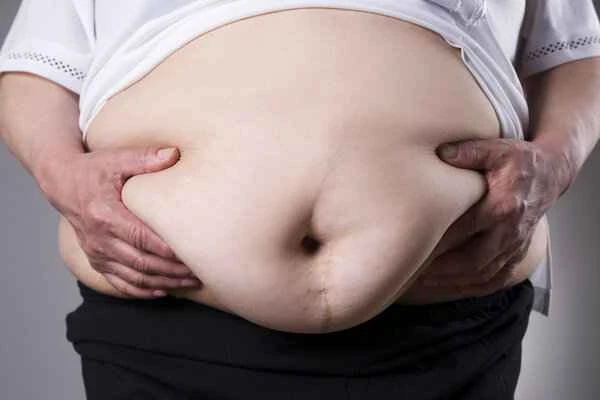
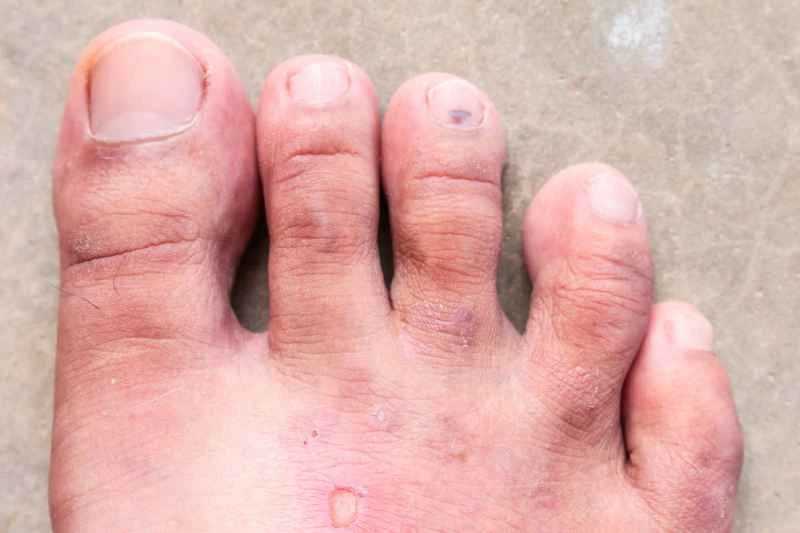
Keloids may form after surgery; these are overgrown scar tissues that extend beyond the wound area.
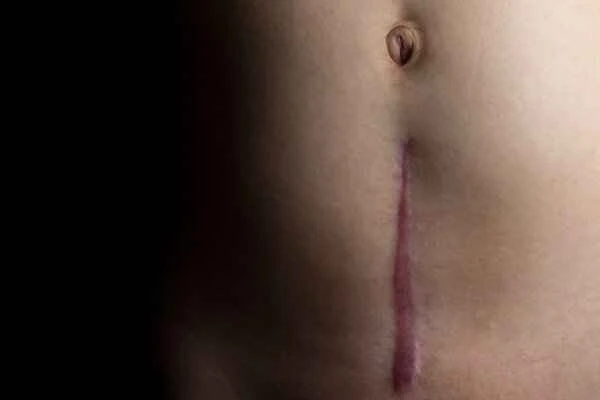
Understanding the causes and prevention of keloids after surgery is crucial for patients. This is because keloids not only affect appearance but can also cause discomfort and functional impairment, and may even require further treatment.
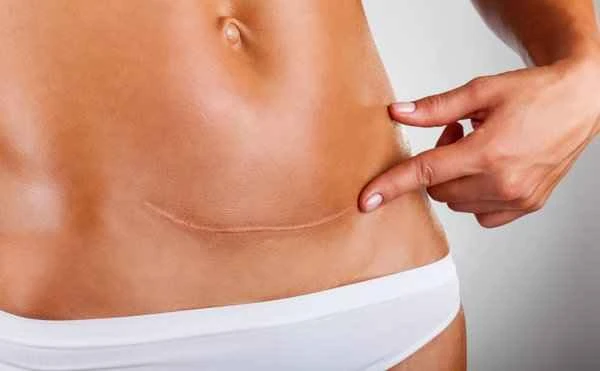
The formation of keloids is related to individual genetic factors, skin tension lines, and the direction and size of the surgical incision. During surgery, doctors will try to choose an appropriate incision direction to reduce the risk of keloids. After surgery, patients should follow their doctor's instructions to properly care for the wound, avoid infection and excessive tension, and use adjunctive treatments such as silicone sheets or gels to promote healing and reduce scar formation.
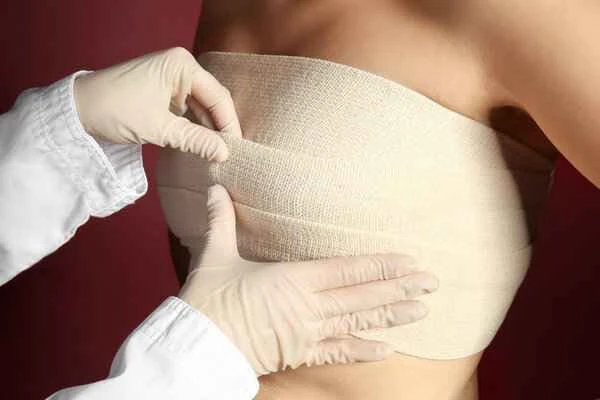
When dealing with keloid scars after surgery, it's important to objectively understand their causes and the limitations of treatment methods. Each person's constitution and recovery process are different, leading to variations in treatment outcomes. Furthermore, keloid treatment may require long-term commitment; patients should remain patient and avoid rushing the process. During treatment, close monitoring of the wound is crucial, along with timely communication with the doctor to prevent self-treatment that could lead to infection or other complications.
【Useful Tips:】
1. Choose an experienced doctor for the surgery, as they can better assess and reduce the risk of keloids.
2. Proper wound care after surgery: keep the wound clean, avoid infection, and reduce tension.
3. Use adjunctive treatments such as silicone sheets or gels to promote healing and reduce scar formation.
4. Have regular check-ups, communicate with your doctor about the wound condition in a timely manner, and adjust the treatment plan according to the doctor's advice.