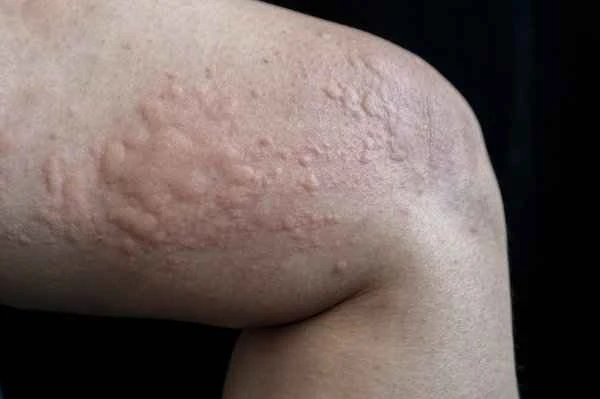
For urticaria that is both painful and itchy, treatment options may include topical application of traditional Chinese medicine, antihistamines, corticosteroids, and calcium supplements.
1. External application of traditional Chinese medicine
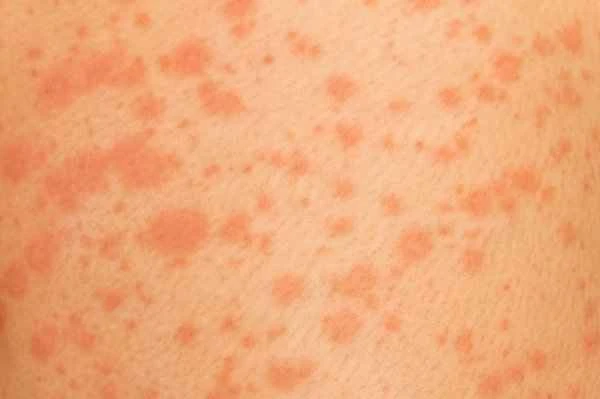
Traditional Chinese medicine external application involves applying herbal pastes or powders containing herbs with antipruritic and anti-inflammatory properties directly to the affected area. Examples include calamine lotion or compound camphor cream. This is suitable for symptoms such as itching and redness caused by acute urticaria.
2. Antihistamines
Antihistamines reduce allergic reactions and relieve symptoms by blocking histamine receptors. Commonly used drugs include cetirizine and loratadine. They are suitable for most patients with chronic urticaria, especially those who have not responded to other treatments.
3. Glucocorticoids
Glucocorticoids can rapidly suppress the inflammatory response, reducing tissue edema and itching. Topical applications such as hydrocortisone ointment or oral prednisone can be used in severe cases. For patients with severe acute urticaria or those with systemic symptoms, short-term use under the guidance of a physician can effectively control the condition.
4. Calcium supplements
Calcium supplements can stabilize cell membranes and reduce capillary permeability, thereby alleviating the symptoms of urticaria. Calcium gluconate injection is commonly used. When urticaria is accompanied by hypocalcemia, appropriate calcium supplementation can help improve symptoms.
During treatment, avoid consuming foods that may trigger allergies, keep the skin clean and dry, and wear loose, breathable clothing to reduce irritation. Also, avoid scratching the skin to prevent worsening symptoms or secondary infections.