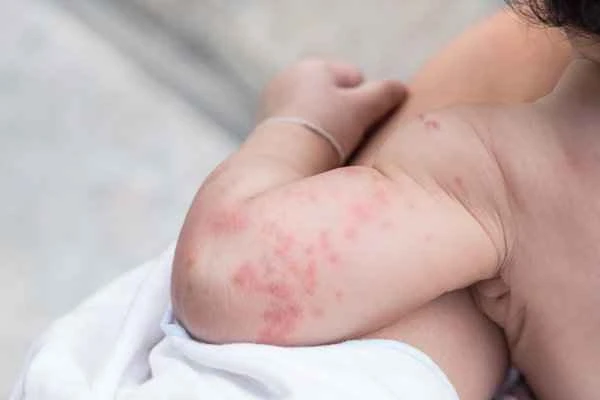
The main approach to eliminating keloids involves a comprehensive intervention using a combination of methods, including physical therapy, medication, and surgery. Keloids are excessively growing scar tissue that not only extends beyond the wound healing area but also causes discomfort and aesthetic concerns for patients. Understanding their formation mechanisms and treatment methods is essential for effectively eliminating keloids.
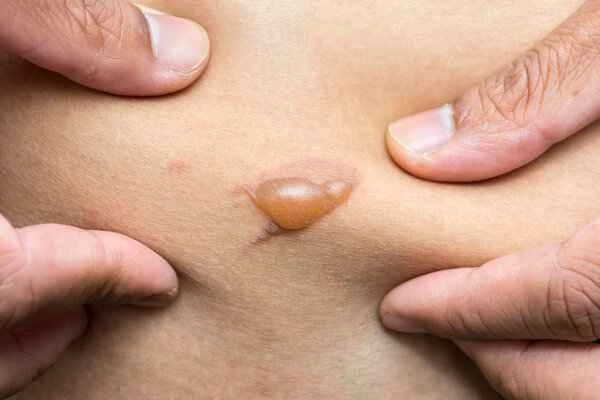
Keloid formation is related to a variety of factors, including genetics, skin tension, infection, and trauma. Common treatments for keloids include physical therapy, medication, and surgery. Physical therapy, such as pressure therapy and silicone gel patches, helps alleviate symptoms by reducing local skin tension and promoting skin hydration. Medication can include corticosteroid injections, which suppress inflammation and reduce scar tissue growth. Other treatments include laser therapy and cryotherapy, which work by destroying scar tissue or promoting skin regeneration. Surgical treatment is suitable for larger or difficult-to-control keloids, including excision and flap transplantation. However, surgical treatment carries a higher risk of recurrence and may be associated with risks such as infection and hypertrophic scarring.
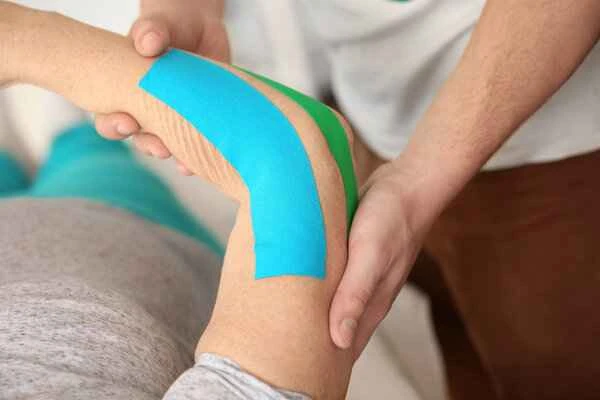
[Management Tip:]
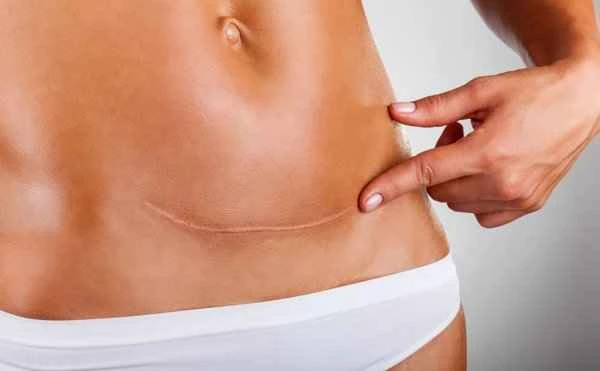
1. Using silicone pads or pressure garments to continuously compress the keloid area can help reduce the growth of scar tissue.
2. Corticosteroid injections can effectively reduce the redness and hardness of keloids.
3. Regularly visit the hospital for laser or cryotherapy to promote the softening and absorption of scar tissue.
4. Pay attention to daily care, avoid friction and irritation to the keloid area, and keep the skin clean and moisturized.