Urticaria (hives) is usually not a precursor to infectious diseases; it is more often associated with allergies or internal bodily reactions. If you develop urticaria, there is no need to be overly concerned about the risk of infection, but it is recommended to pay attention to changes in your symptoms and seek medical attention promptly to determine the cause.
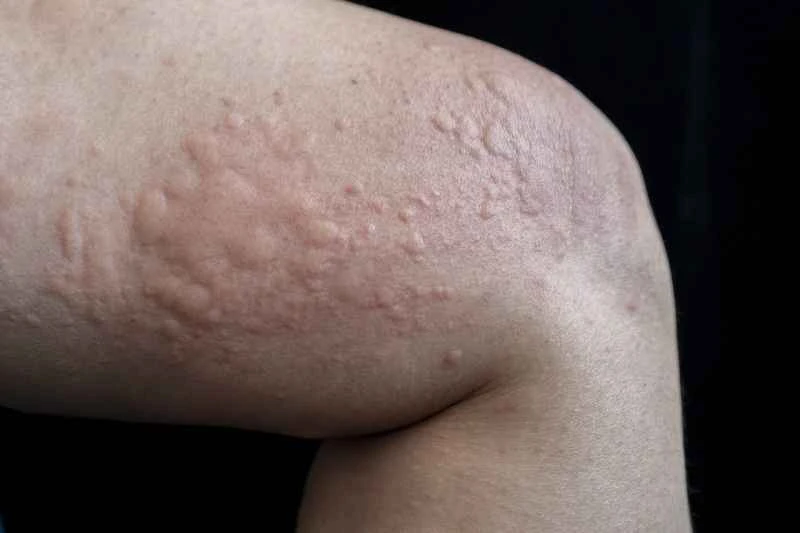
Specifically, this can be understood from the following aspects:

1. **Common Causes**: Urticaria is often caused by factors such as food allergies, drug reactions, physical stimuli (such as cold, heat, or pressure), or infections. These conditions are generally not contagious.
2. **Related to infectious diseases:** A few viral infections (such as the common cold virus) may trigger urticaria, but the rash itself is not contagious to others; the precursors of infectious diseases usually manifest as systemic symptoms such as fever and fatigue, rather than urticaria appearing alone.
3. **Symptom Characteristics**: Urticaria is characterized by wheals and itching on the skin. It comes on and goes quickly. If it is accompanied by severe symptoms such as high fever and difficulty breathing, you should seek medical attention as soon as possible.
We recommend that you record the time, shape, and possible triggers of the rash, and avoid scratching and contact with known allergens. If the rash recurs or worsens, please consult a dermatologist for examination. The doctor will help determine the cause and guide treatment. Maintaining a regular daily routine can help reduce skin sensitivity reactions.