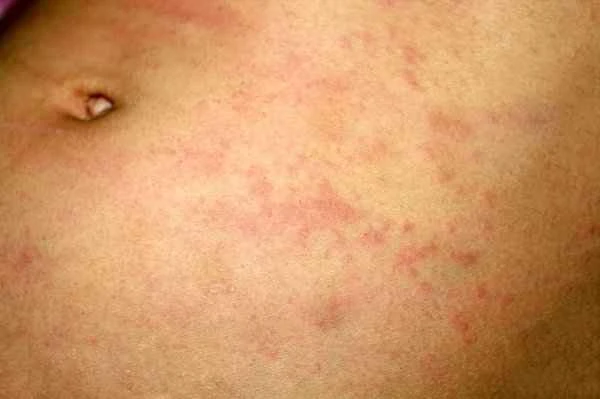
Acute urticaria is an allergic reaction characterized by a sudden onset of redness and swelling of the skin. The key to treatment is rapid symptom relief and control of inflammation. Treatment for acute urticaria typically includes avoiding known allergens, using antihistamines to relieve symptoms, and, if necessary, using corticosteroids to control inflammation. Antihistamines reduce itching and redness by blocking the action of histamine, while corticosteroids more effectively control the inflammatory response, thus accelerating the recovery process. During treatment, the doctor will adjust the dosage and type of medication based on the patient's specific symptoms and response to achieve the best therapeutic effect.

When treating acute urticaria, patients may encounter some risks and misconceptions. Self-diagnosis and treatment can delay treatment because some symptoms may resemble other diseases, requiring differential diagnosis by a professional doctor. Some patients may experience side effects or allergic reactions to medications, so close monitoring of the body's response is crucial during treatment. Over-reliance on medication while neglecting lifestyle modifications, such as avoiding known allergens and improving dietary habits, can also affect treatment effectiveness. When treating acute urticaria, patients should maintain close communication with their doctor, follow medical advice, and avoid self-medication.
[Management Tip:]
1. Avoid known allergens, such as certain foods, medications, or environmental factors.
2. Use antihistamines as advised by your doctor, and use corticosteroids if necessary.
3. Closely monitor changes in symptoms; seek medical attention promptly if symptoms worsen.