Prevention of hypertrophic scars mainly includes avoiding trauma, timely wound treatment, and taking appropriate care measures. To better understand these prevention methods, we need to understand the basic principles and influencing factors of hypertrophic scars.

Hypertrophic scarring is a phenomenon caused by excessive proliferation of skin tissue during the healing process following trauma or surgery. Its formation mechanism is related to multiple factors, including genetic factors, inflammatory responses during wound healing, and local blood circulation. The key to preventing hypertrophic scarring lies in reducing the chance of trauma, ensuring timely and appropriate wound treatment, and taking effective care measures to promote the normal healing process.
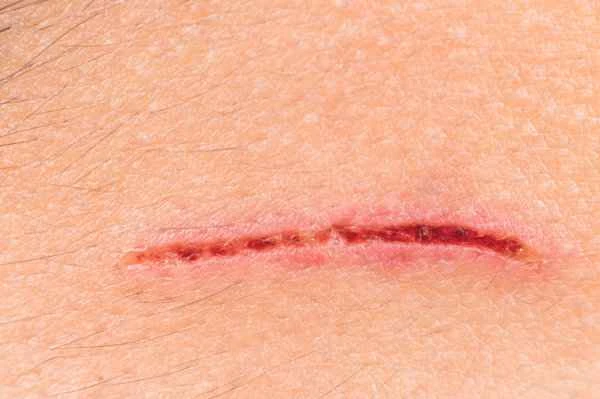
Potential risks of treating hypertrophic scars include infection, allergic reactions, and excessive scar tissue growth. Some common misconceptions can also affect the effectiveness of hypertrophic scar prevention, such as believing that all wounds need antibiotic ointments or that naturally healing wounds require no care. In reality, proper wound care should be tailored to the specific condition of the wound, avoiding unnecessary medication use while keeping the wound clean and appropriately moist to promote normal healing.
[Prevention Tips:]
1. Avoid activities that may cause injury, such as strenuous exercise or high-risk work.
2. Treat the wound promptly and correctly, keeping it clean and properly moist.
3. If abnormal wound healing or signs of scar hyperplasia occur, seek medical attention promptly for professional advice.