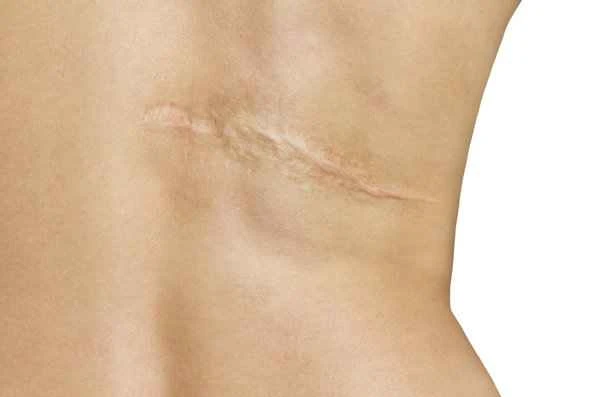
The appearance of cysts on the face is a common skin condition, and the specific treatment method depends on the nature and size of the cyst.
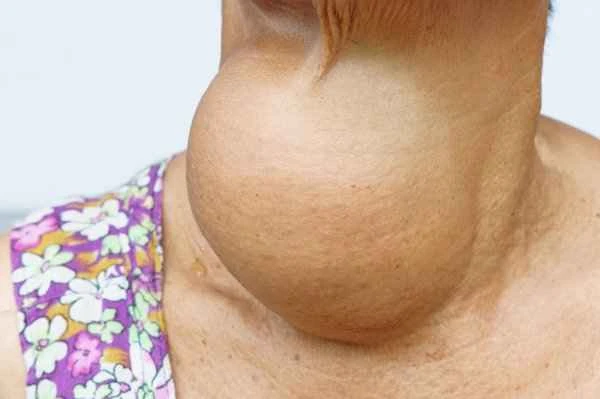
A cyst is a sac-like structure filled with fluid, semi-solid, or gas that can form anywhere on the body, including the face. Facial cysts may be sebaceous cysts, sweat cysts, or other types of cysts. These cysts are usually painless, but if they become infected or inflamed, they may become red, painful, or develop pus. Treatment for a cyst depends on its size, location, symptoms, and whether it is infected. For small, asymptomatic cysts, a doctor may recommend observation and regular checkups to monitor changes. If the cyst enlarges, becomes infected, or causes discomfort, surgical removal may be necessary. Surgical removal of a cyst is a common treatment method, usually performed under local anesthesia. During the procedure, the doctor will cut open the cyst, drain the contents, clean the cyst wall, and then suture the wound. For infected cysts, antibiotics may be required. Antibiotics can be taken orally or applied topically to help control the infection and relieve symptoms. It is important to note that squeezing or puncturing a cyst yourself can cause the infection to spread and may even leave scars or pigmentation, so self-treatment is not recommended.
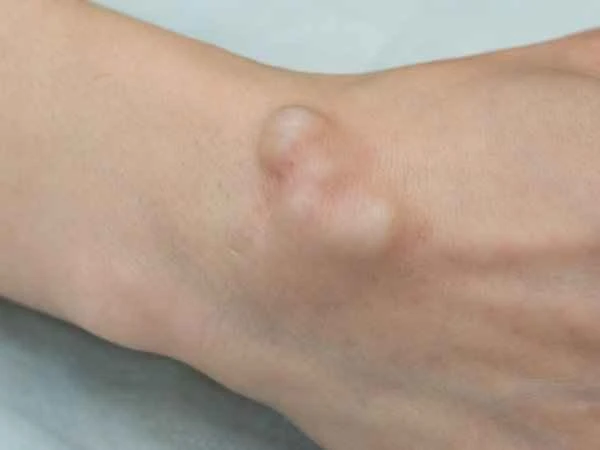
There are some risks and misconceptions that may arise during the treatment of cysts. For example, some people may believe that cysts are harmless and do not require treatment, but in reality, if a cyst becomes infected or inflamed, it can cause serious complications. Some people may try to treat the cyst themselves, such as by squeezing or puncturing it, which may lead to the spread of infection or leave scars, so self-treatment of cysts is not recommended. The correct approach is to seek medical attention promptly for evaluation and treatment by a professional doctor.
[Management Tip:]
1. Regularly monitor changes in the cyst. If it enlarges or shows signs of infection, seek medical attention promptly.
2. Avoid squeezing or puncturing the cyst yourself to prevent infection or scarring.
3. If symptoms such as redness, swelling, pain, or pustules appear, seek medical attention promptly.