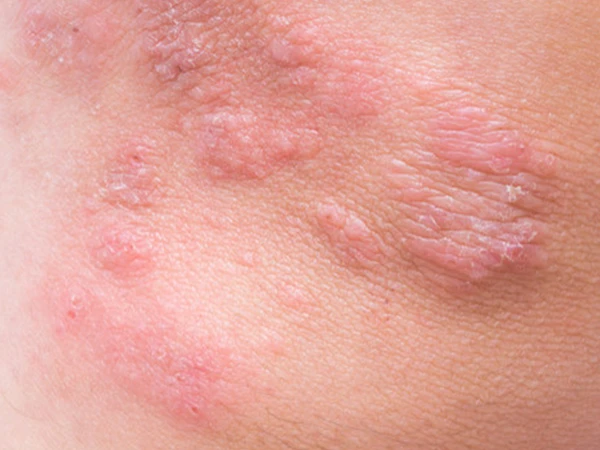
Determining whether a scar is adherent involves observing and examining the connection between the scar and surrounding tissues to determine if there has been any abnormal adhesion between the scar and adjacent tissues.
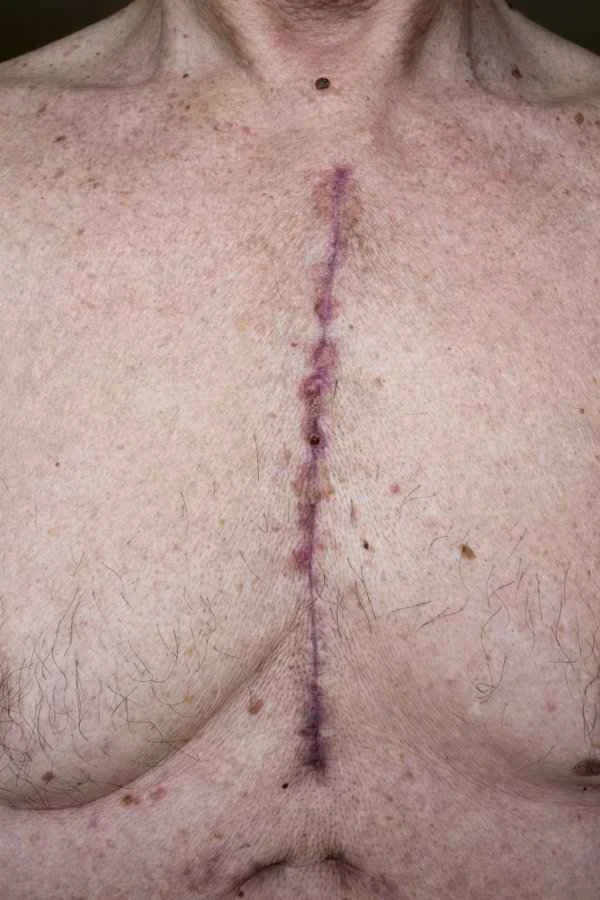
This assessment is crucial for preventing discomfort and functional impairment caused by scarring. If a scar adheres, it can lead to limited joint movement, pain, and other problems, impacting daily life. Timely and accurate assessment of scar adhesion helps in taking early action to prevent the condition from worsening.
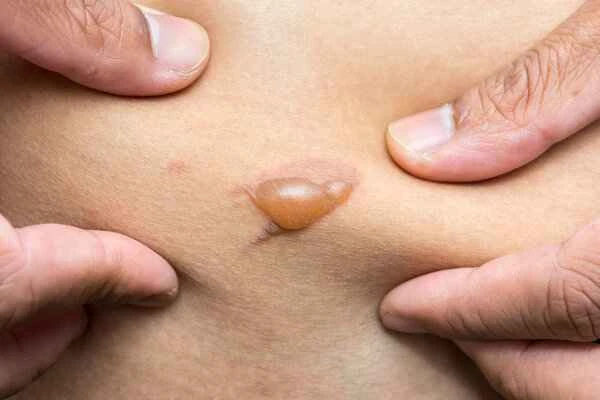
To determine if a scar has adhered, first observe its appearance, checking for smoothness and normal color. Then, examine the scar's texture by palpation, assessing the clarity of its boundaries with surrounding tissue. An abnormally tight connection between the scar area and surrounding tissue indicates potential adhesion. Imaging studies, such as ultrasound or MRI, can further confirm the extent of scar adhesion.
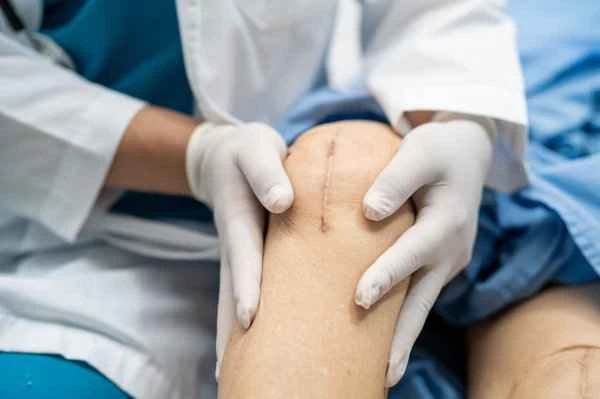
After reviewing the test results, it's important to interpret this information objectively. If scar adhesions are found, appropriate treatment should be administered according to the doctor's advice, rather than attempting to self-diagnose or treat the condition. It's also important to note that the likelihood and severity of adhesions vary depending on the type and location of the scar; therefore, the interpretation of test results should be considered in light of the individual's specific circumstances.
【Useful Tips:】
1. Observe the color and shape of the scar, and note whether there are any abnormal bumps or depressions.
2. Feel the texture of the scar by palpation and check whether the boundary between the scar and the surrounding tissue is clear.
3. If in doubt, seek medical attention promptly and undergo professional imaging examinations to confirm whether the scar has adhered.
4. When treating scar adhesions, be sure to follow your doctor's instructions to avoid the risks that may arise from self-treatment.