Swelling and bleeding from keloids may indicate infection or other complications in the area. This should be taken seriously as it could signify a deterioration in the health of the keloid.
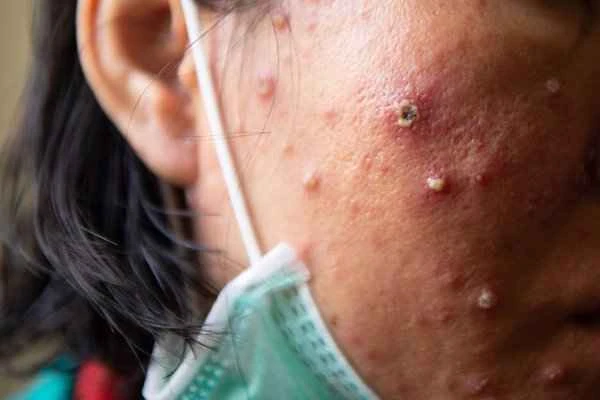
Keloids are overgrown scar tissues that typically form during wound healing. When a keloid swells and is accompanied by blood, it may be due to bacterial infection, trauma, or other external irritation. In this case, the surface of the keloid may become red, swollen, and painful, and may feel noticeably warm to the touch. If redness, pustules, or significant pain appear around the keloid, these are signs of infection.

Another possibility is impaired blood circulation within the keloid. In this case, blood vessels inside the keloid may be damaged, causing bleeding. This is usually accompanied by increased local swelling and pain, and may also be accompanied by elevated local skin temperature.
If a keloid scar becomes swollen and oozes blood, it's important to recognize that this could be a sign of a serious health problem. Seek immediate medical attention if symptoms appear, especially if accompanied by severe pain, fever, or significant redness and swelling. Avoid self-treatment or ignoring these symptoms, as this could mask more serious underlying issues such as the spread of infection or the keloid worsening.
[Prevention Tips:]
1. Keep the wound clean to prevent infection.
2. Regularly observe changes in keloids, such as color, size, and shape.
3. Avoid applying external force to keloids to reduce the chance of trauma.
4. If you feel unwell, seek medical attention promptly and follow your doctor's instructions for treatment.