Urticaria (hives) is not contagious to family members. It is an allergic reaction, not an infectious disease, so there is no need to worry about it spreading through everyday contact. Patients and their families are advised to understand its characteristics to avoid unnecessary anxiety.

1. Causes of urticaria: Primarily related to allergens, such as food, medications, and environmental irritants, and may also be triggered by emotional fluctuations or changes in immunity. These factors only affect the patient and are not transmitted to others through air or contact.
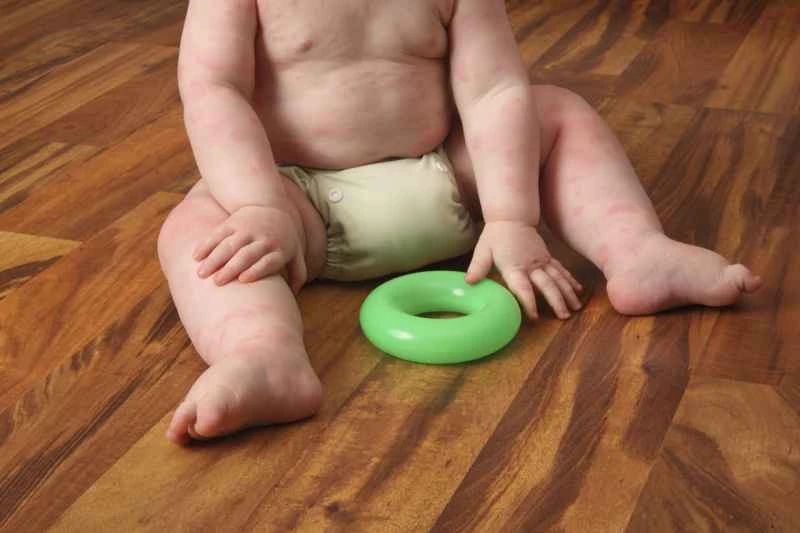
2. Precautions for family interaction: Although not contagious, family members can help patients identify and avoid allergens, such as keeping the home clean and reducing dust mites. Sharing items such as clothing and tableware usually does not transmit urticaria, but if the patient's skin is broken, attention should be paid to hygiene to prevent bacterial infection.
3. Misconceptions about symptoms: The redness and itching of urticaria may resemble certain skin diseases, but this is merely an external manifestation of an internal bodily reaction and is not contagious. Understanding and support from family members can help alleviate the patient's psychological burden.
If a family member experiences similar symptoms, it may be a coincidence or due to other reasons. It is recommended to seek medical attention promptly. In daily life, paying attention to the patient's health, helping to record possible triggers, and following the doctor's instructions for treatment can effectively control urticaria flare-ups.