If eczema recurs for several months without healing, it is recommended to start with both daily care and standardized treatment to gradually improve the symptoms.
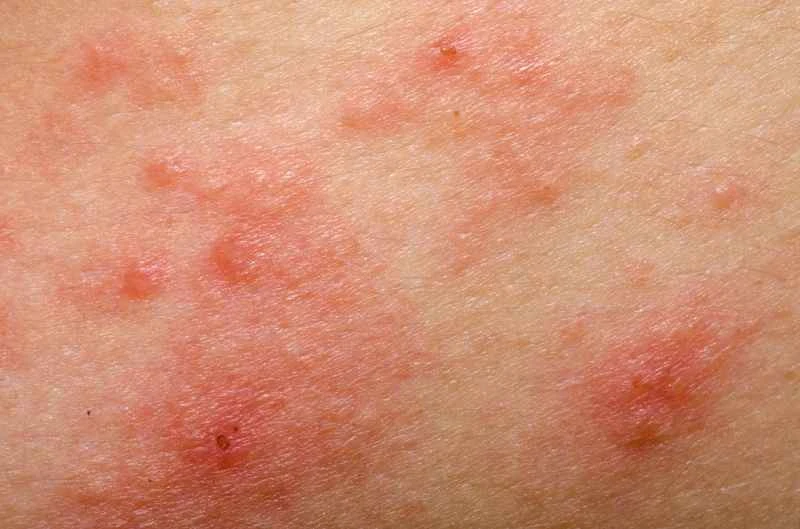
1. Maintain gentle skincare: Avoid using harsh cleansing products, and keep bath water temperature moderate. Wear loose-fitting cotton clothing to reduce friction. Keep skin moisturized; apply moisturizer promptly after bathing to help repair the skin barrier.
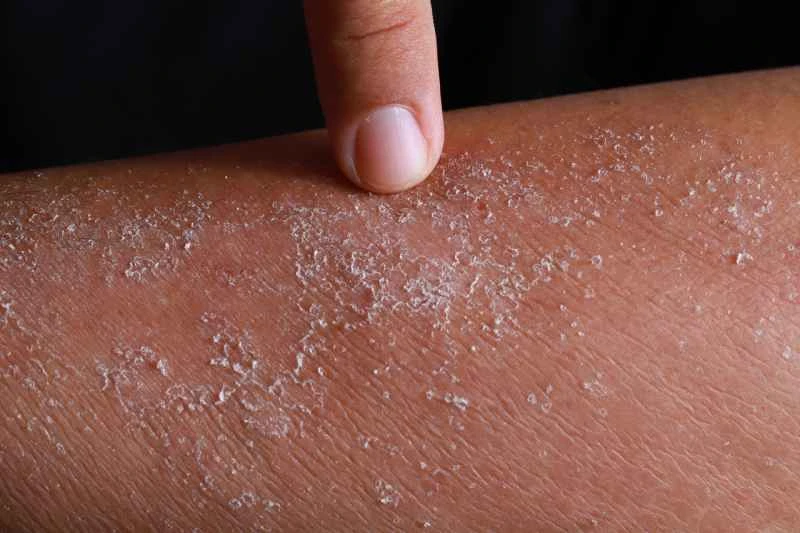
2. Use medication correctly: If eczema symptoms are severe, topical ointments can be used for a short period under the guidance of a doctor, and the course of treatment should be strictly followed. Do not increase, decrease, or stop the medication on your own. If there is no improvement after self-medication, you should promptly return to your doctor for adjustment of the treatment plan.
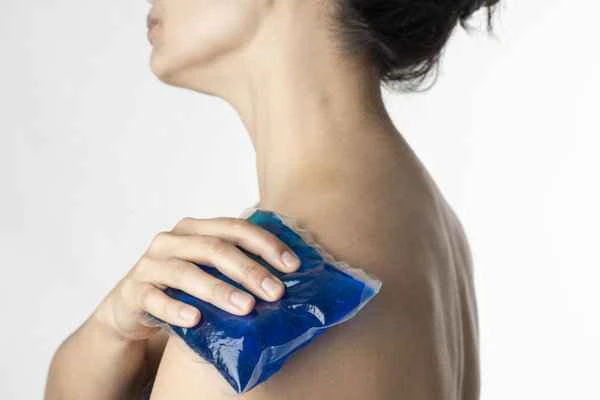
3. Pay attention to lifestyle details: Record and note factors that may aggravate eczema, such as certain foods, sweating, dry environments, or stress, and try to make appropriate adjustments. Avoid frequent scratching; cold compresses can relieve itching.
4. Be patient and observe: Eczema often takes time to heal, so pay close attention to changes in your skin during treatment. If signs of infection appear or symptoms suddenly worsen, seek medical attention as soon as possible.
Establishing a regular skincare routine and communicating with your doctor regularly about the progress of your condition can help control most recurring eczema flare-ups through a combination of continuous, gentle care and scientific treatment.