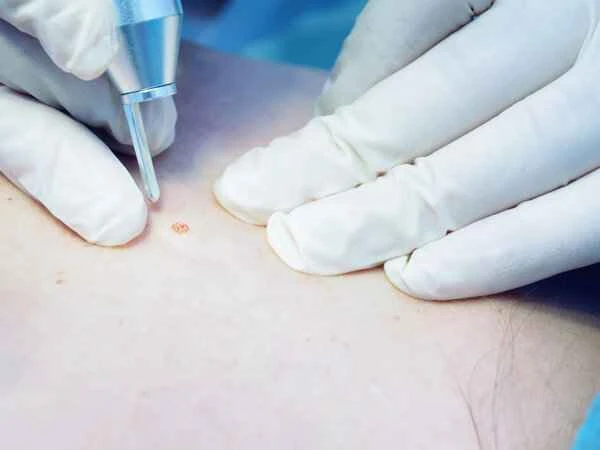
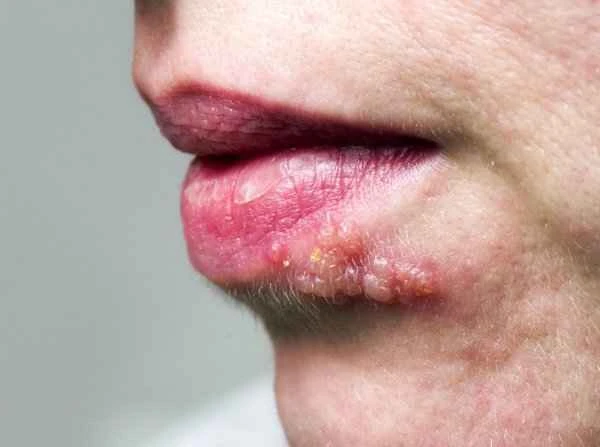
Warts can be treated with ointments such as interferon alpha-2b gel, tretinoin cream, fluorouracil ointment, imiquimod cream, and podophyllotoxin tincture. If the warts are large or persistent, it is recommended to seek medical attention promptly so that a doctor can assess the situation and choose an appropriate treatment plan.

1. Interferon α-2b gel
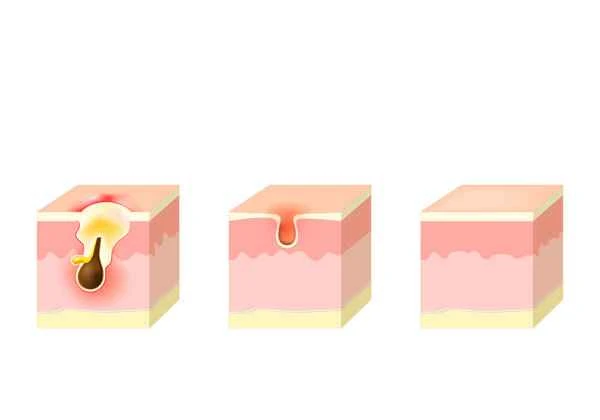
Interferon alpha-2b gel is indicated for the treatment of skin growths caused by human papillomavirus (HPV) infection. This medication inhibits viral replication and proliferation. Avoid contact with eyes and other mucous membranes during use. Discontinue use and consult a doctor if allergic reactions such as redness, swelling, or itching occur.
2. Retinoic acid cream
Retinoic acid cream can be used to treat skin growths such as common warts and flat warts. It helps regulate epidermal cell differentiation. When using it, avoid direct sunlight to prevent skin irritation or pigmentation. It should also not be used around the eyes or mucous membranes.
3. Fluorouracil ointment
Fluorouracil ointment is effective in treating certain types of warts, but its suitability requires evaluation by a doctor. Use as directed by your doctor; multiple applications may be necessary for optimal results. Be aware of potential local irritation or allergic reactions.
4. Imiquimod cream
Imiquimod cream is effective against various skin growths, including warts. It works by modulating the immune system to reduce viral load. Avoid contact with eyes and other sensitive areas when using. A burning sensation or redness may occur locally; if it persists, seek medical attention promptly.
5. Podophyllotoxin Tincture
Podophyllotoxin tincture is suitable for treating plantar warts, filiform warts, and other skin growths. It breaks down the stratum corneum, causing the warts to fall off. Avoid contact with normal skin during use and do not use continuously for extended periods. Mild stinging or erythema may occur; discontinue use immediately if any discomfort occurs.
Before using any topical medications, it is recommended to undergo a professional diagnosis to determine the specific type of warts and the appropriate treatment method. In addition, maintain good personal hygiene during treatment and avoid scratching or rubbing the affected area to prevent the spread of infection or worsening of the condition.