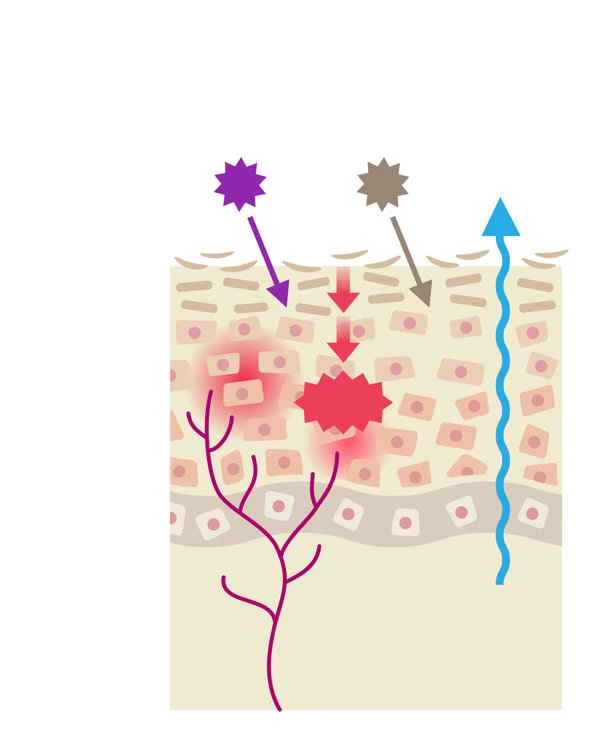
Purpura that turns into brown spots that don't fade can be related to a variety of factors, including skin inflammation, vascular disease, or certain chronic illnesses. Purpura is caused by the rupture of small blood vessels under the skin, leading to blood seeping into the subcutaneous tissue and forming purple spots. These spots may turn brown during the healing process and are difficult to remove.
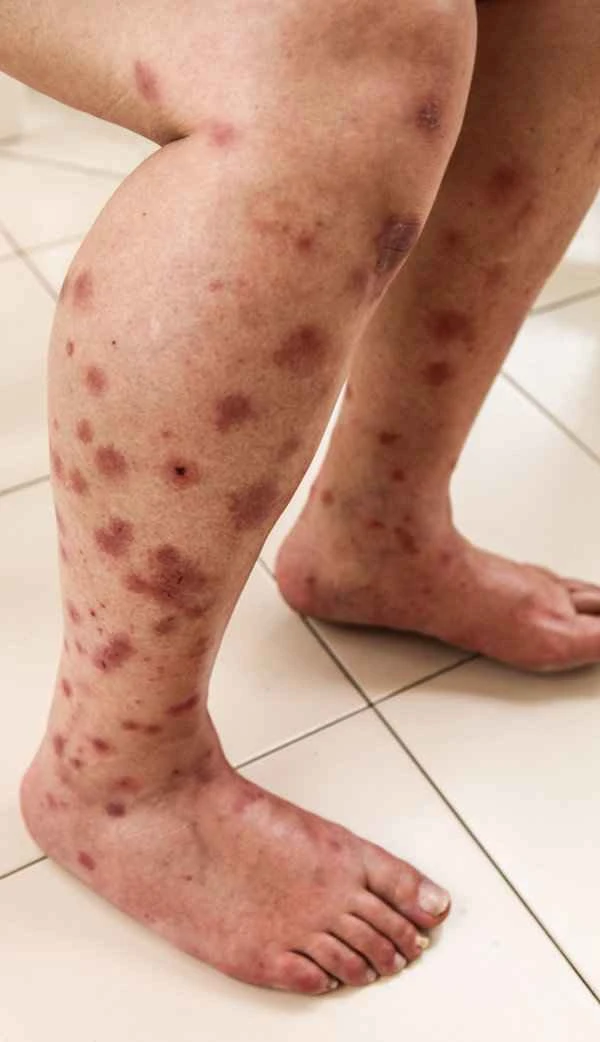
If purpura turns into brown spots and does not fade for a long time, it may be related to uncontrolled skin inflammation. Inflammatory reactions can cause skin pigmentation, forming persistent brown spots. Additionally, certain vascular diseases, such as allergic purpura, can also cause persistent spots on the skin. Certain chronic diseases, such as liver or kidney disease, can also cause similar skin symptoms.
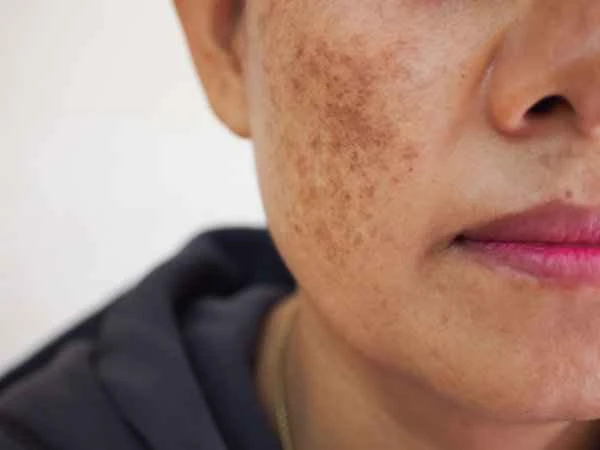
When dealing with such situations, it's important to recognize that persistent brown spots on the skin may indicate an underlying health problem. If these spots are accompanied by pain, itching, or other discomfort, or if symptoms such as unexplained weight loss or fever occur, seek immediate medical attention for a thorough examination. Self-diagnosis and treatment may delay diagnosis and complicate treatment.
[Prevention Tips:]
1. Pay attention to personal hygiene and keep your skin clean.
2. Avoid contact with known allergens or irritants.
3. Maintain a healthy lifestyle, including a balanced diet and moderate exercise.
4. Have regular health checkups to detect and address potential health problems promptly.