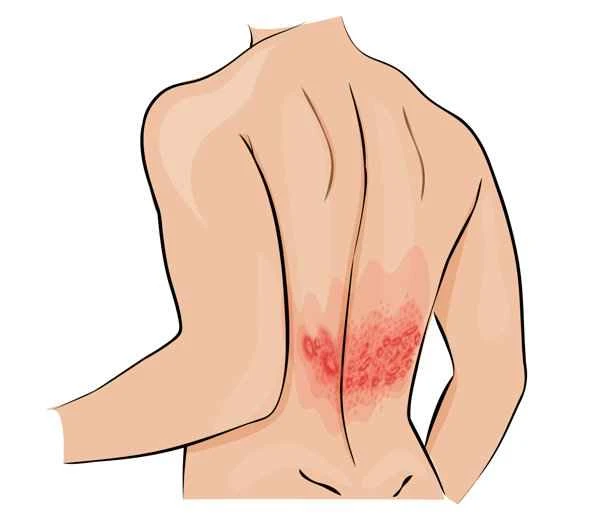
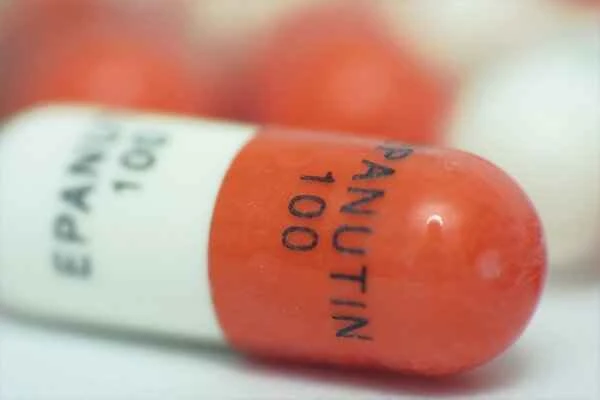
Treatment for hypertrophic scar inflammation primarily involves medication and physical therapy to reduce inflammation and promote healing. Hypertrophic scar inflammation refers to an inflammatory response caused by excessive proliferation of scar tissue during the healing process of skin injury. In this case, inflammation not only causes pain and discomfort but can also further impede the scar healing process. The key to treating hypertrophic scar inflammation lies in controlling inflammation, promoting the normalization of scar tissue, and preventing further deterioration of the scar. Drug treatment typically includes the use of nonsteroidal anti-inflammatory drugs (NSAIDs) to reduce inflammation, topical corticosteroid creams to inhibit excessive scar tissue growth, and antibiotics to prevent or treat infection. Physical therapy may include pressure therapy, using pressure garments or pads to reduce the volume of scar tissue, and laser therapy, using specific wavelengths of laser light to improve the appearance and texture of scar tissue. These methods work together to control inflammation, remodel scar tissue, and prevent infection, achieving optimal treatment results.

When treating inflammatory hypertrophic scars, it's crucial to be aware that while medication and physical therapy can effectively control inflammation and promote healing, overuse of certain medications, such as long-term use of corticosteroids, can lead to side effects like thinning skin and hyperpigmentation. There are also some misconceptions surrounding treatment, such as believing that all hypertrophic scars require aggressive treatment or ignoring individual differences in the scar formation process. When developing a treatment plan, a comprehensive consideration of the patient's specific circumstances, including the size, location, and timing of scar formation, as well as the patient's overall health, is essential to ensure the safety and effectiveness of the treatment.

[Management Tip:]
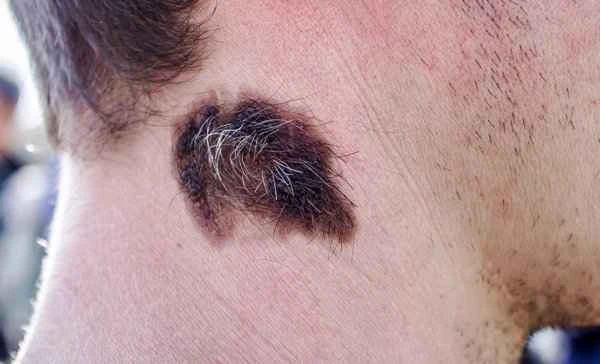
1. Use your doctor’s recommended medications and treatments regularly, such as nonsteroidal anti-inflammatory drugs and corticosteroid creams.
2. Avoid squeezing or irritating the scarred area to prevent worsening of inflammation.
3. If persistent pain, worsening redness and swelling, or pus discharge occurs, seek medical attention promptly.
4. Maintain good personal hygiene habits, clean the scar area regularly, and avoid infection.