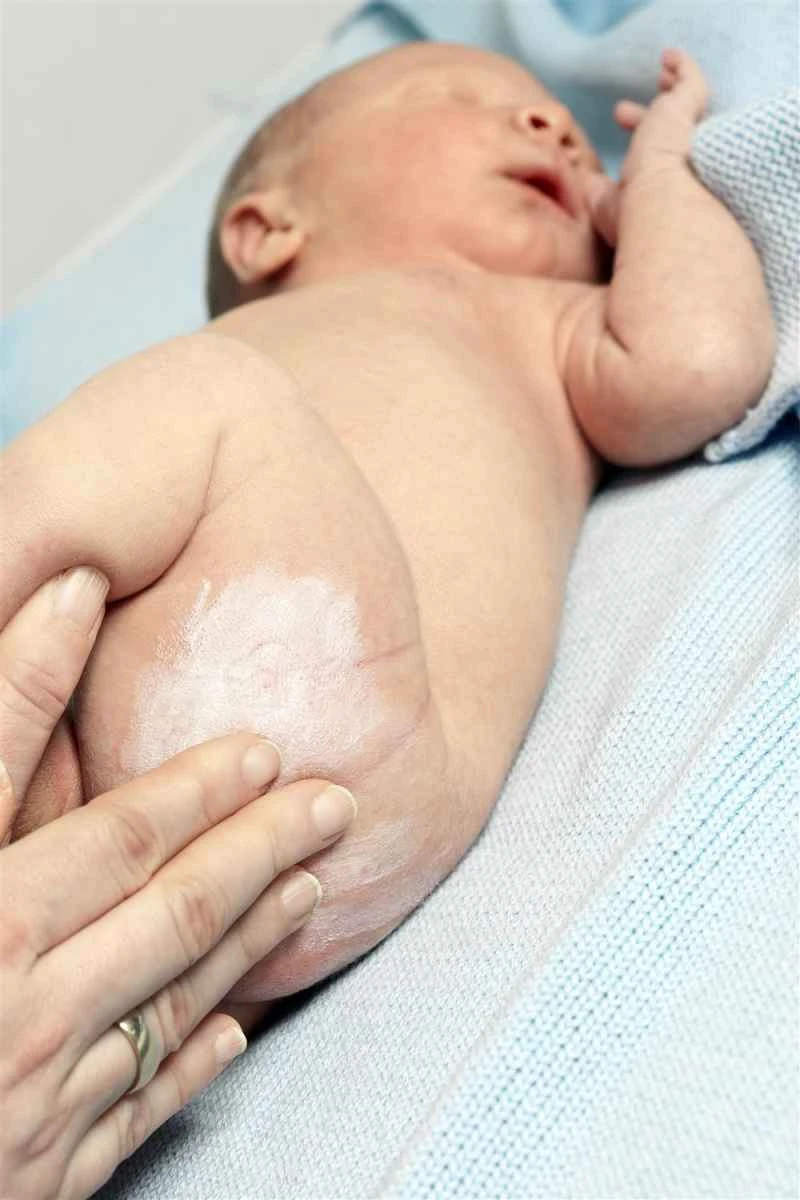
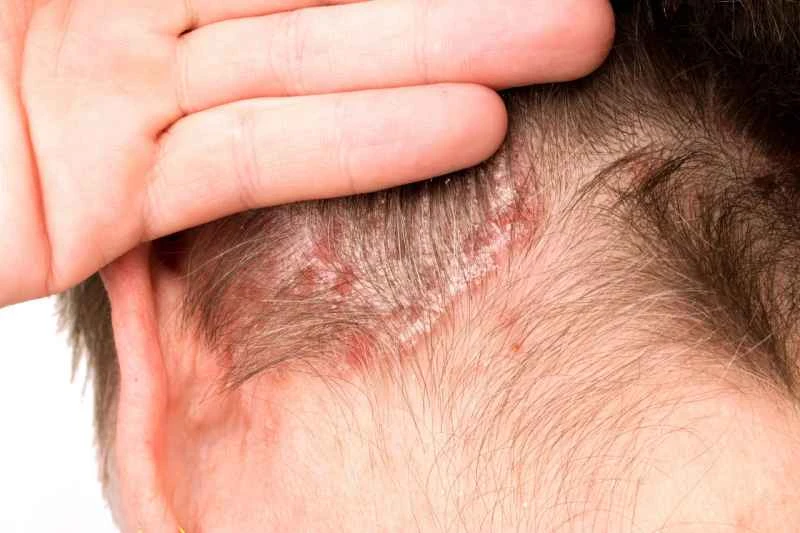
Depressed mucosal scars are depressed scars that form during the healing process after mucosal injury and require appropriate treatment to improve.
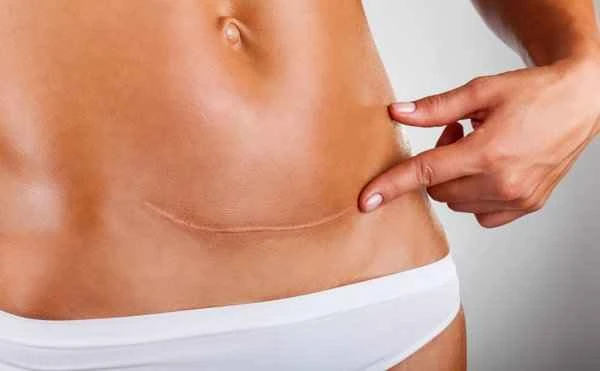
Treatment for mucosal atrophic scars typically includes a variety of methods such as medication, physical therapy, and surgery. Medication primarily uses drugs that promote mucosal repair, such as growth factors and vitamins. These drugs can promote cell regeneration and accelerate the mucosal repair process. Physical therapy includes laser therapy and radiofrequency ablation, which stimulate local blood circulation and promote tissue regeneration. In some cases, if the scar is severe, surgical removal of the scar tissue followed by skin grafting may be necessary to restore normal mucosal structure and function. Each treatment method has its advantages, and the most appropriate treatment plan is usually selected based on the patient's specific situation.
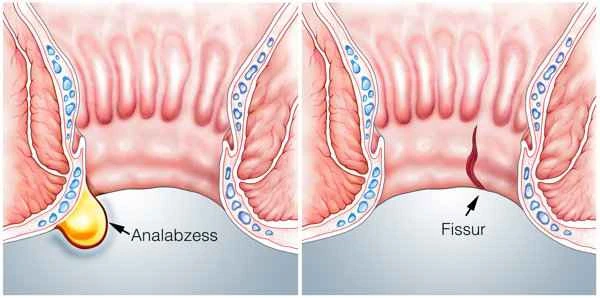
Patients may encounter some misconceptions when treating mucosal atrophy scars. For example, some patients may believe that a certain medication or treatment can immediately resolve the problem, but in reality, mucosal repair is a gradual process that requires time and patience. Some patients may overlook the potential risks of mucosal atrophy scars, such as infection and bleeding, which need to be monitored and prevented through regular medical checkups. During treatment, patients should follow their doctor's advice, have regular follow-up examinations, and adjust the treatment plan as needed to ensure the effectiveness and safety of the treatment.
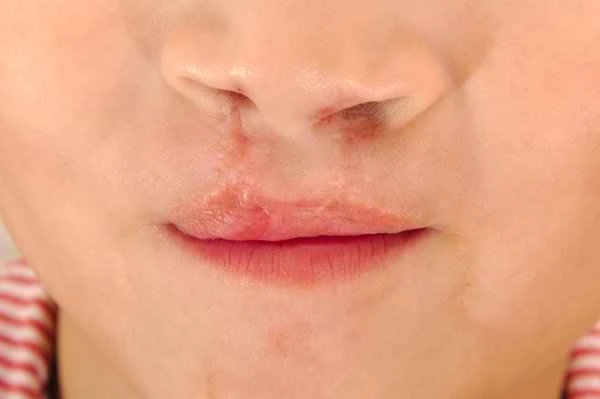
[Management Tip:]
1. Regular follow-up examinations to monitor the mucosal repair process.
2. Use medications that promote mucosal repair as prescribed by your doctor.
3. Pay attention to personal hygiene to avoid mucosal infections.
4. If any abnormal symptoms occur, such as increased pain or increased discharge, seek medical attention promptly.