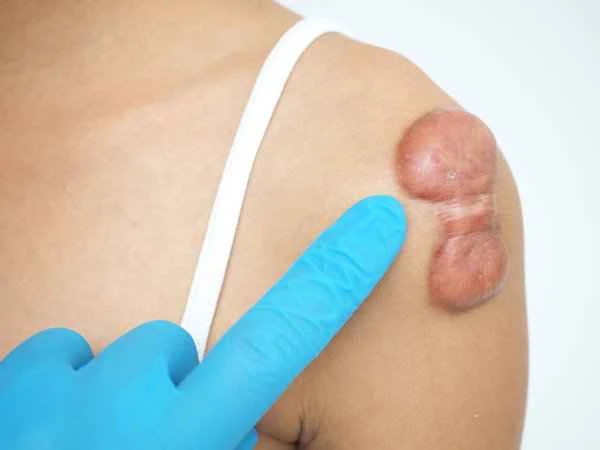
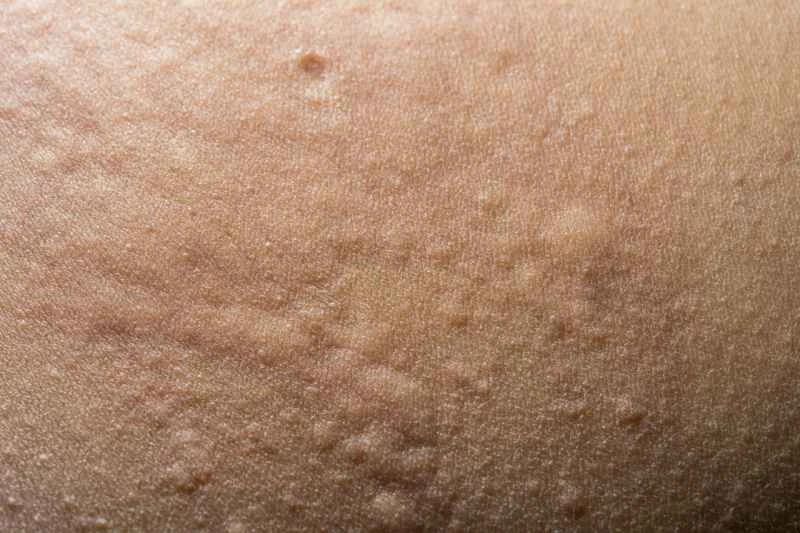
During keloid treatment, there is a possibility that the keloid may temporarily increase in size. A keloid is an overgrowth of scar tissue that extends beyond the wound's borders and can extend into the surrounding normal skin. During treatment, due to irritation or inflammation, the keloid may temporarily increase in size, but this increase is usually temporary, and with appropriate treatment, the keloid will gradually shrink.
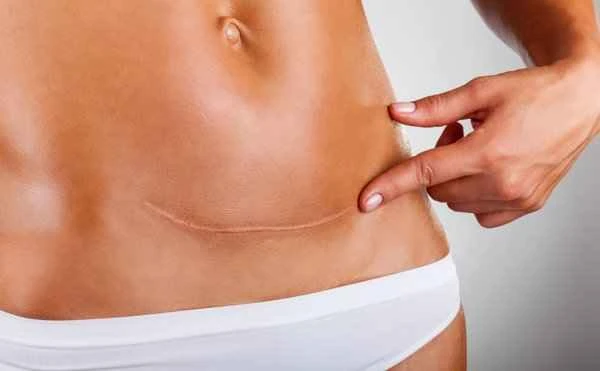
Treatment methods for keloids include medication, surgical excision, laser therapy, radiation therapy, and cryotherapy. Each treatment method has its specific mechanism of action and indications. For example, medication typically uses corticosteroids to reduce inflammation and inhibit collagen synthesis, thereby reducing the size of the keloid; laser therapy promotes the breakdown of scar tissue by destroying collagen fibers in the scar tissue. These treatments can be used alone or in combination to achieve the best therapeutic effect. These treatments may cause an inflammatory response, leading to a temporary increase in the size of the keloid, but it will gradually return to normal with continued treatment.
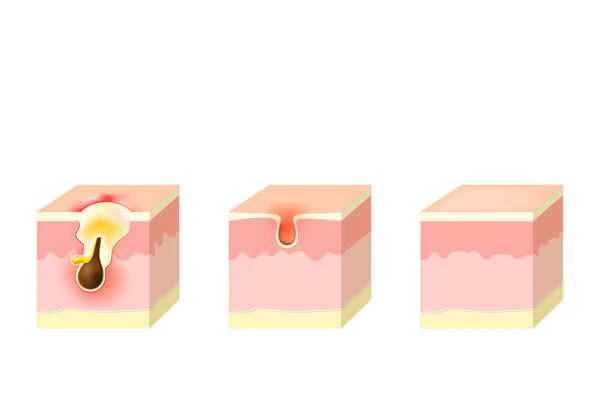
There are some potential risks and misconceptions that may arise during the treatment of keloid scars. Treating keloid scars is a long-term process that requires patience and persistence. Different treatment methods may have different effects on different people, so the choice of treatment method needs to be determined based on individual circumstances. Finally, some side effects may occur during the treatment of keloid scars, such as skin discoloration and infection. Therefore, it is necessary to closely monitor changes in the skin during treatment and communicate with the doctor promptly to ensure the safety and effectiveness of the treatment.
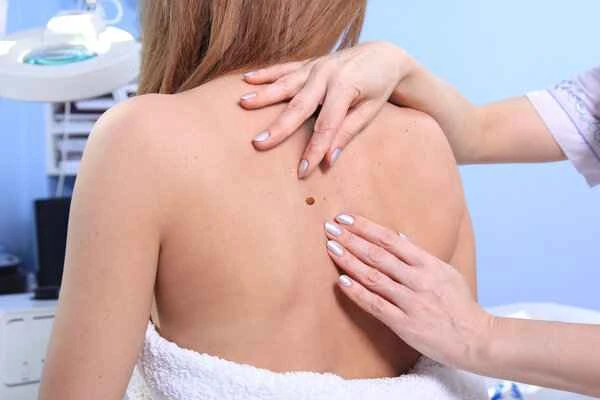
[Management Tip:]
1. During the treatment of keloids, monitor the changes in keloids regularly and communicate with your doctor in a timely manner.
2. Avoid using treatments without a doctor's guidance, as this may worsen keloid scars.
3. Maintain good lifestyle habits and avoid irritating keloids, such as avoiding smoking and drinking alcohol.
4. If any abnormal symptoms occur, such as pain, redness, or swelling, seek medical attention promptly.