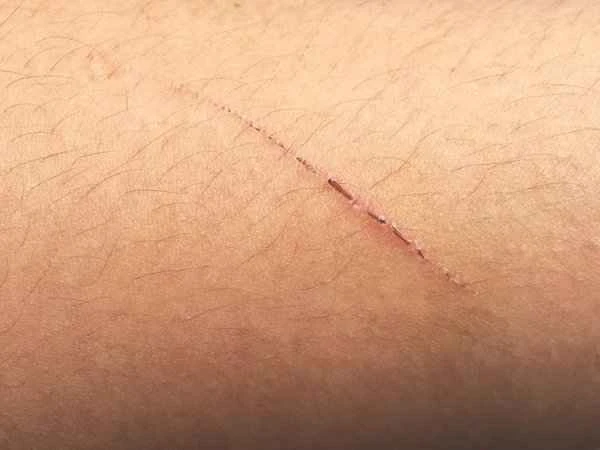
Treatment of scar neovascularization mainly involves reducing new blood vessels in scar tissue by inhibiting angiogenesis and promoting scar tissue remodeling.
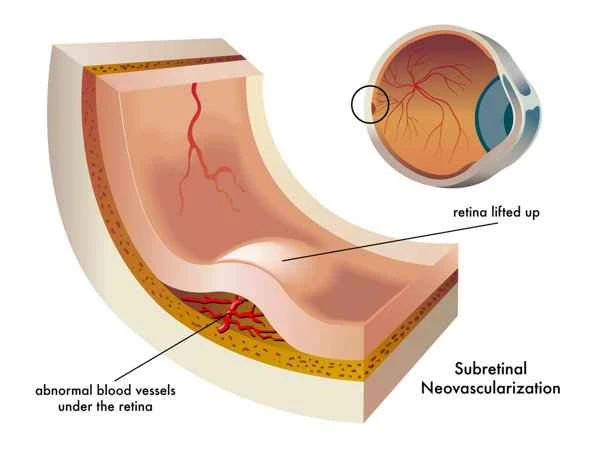
The core of treating neovascularization in scars lies in inhibiting angiogenesis and promoting scar tissue remodeling. Inhibiting angiogenesis is one of the key strategies in treating neovascularization. This can be achieved by using anti-angiogenic drugs, which inhibit factors that promote angiogenesis, such as vascular endothelial growth factor (VEGF). Promoting scar tissue remodeling is also an important approach to treating neovascularization. This can be achieved by using drugs that promote tissue repair and regeneration, which can promote scar tissue remodeling and reduce new blood vessels in the scar tissue. Local injections of corticosteroids or 5-fluorouracil are also effective methods for treating neovascularization, as these drugs can suppress inflammatory responses and promote scar tissue remodeling. It is important to note that the treatment of neovascularization requires comprehensive consideration of multiple factors, including the type, location, and size of the scar, as well as the patient's overall health condition. When treating neovascularization, it is necessary to consider multiple factors and choose the most suitable treatment plan for the patient.
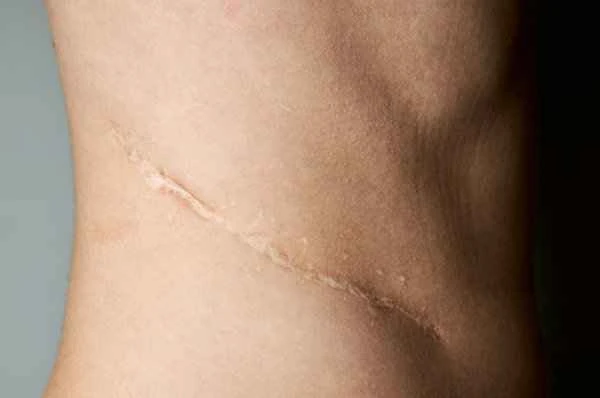
Treatment of scar neovascularization may involve several side effects and risks. For example, locally injected medications may cause pain, redness, swelling, or infection at the injection site. Long-term use of anti-angiogenic drugs may cause adverse reactions such as gastrointestinal discomfort and abnormal liver function. Therefore, the treatment of scar neovascularization requires comprehensive consideration of multiple factors to select the most suitable treatment plan for the patient. Close monitoring of the patient's response and side effects is essential during treatment, with timely adjustments to the treatment plan.
[Management Tip:]
1. Regularly monitor the condition of new blood vessels in the scar, such as size, color, and texture.
2. Adjust your lifestyle to avoid overstimulating scar tissue, such as avoiding strenuous exercise, prolonged standing or sitting, etc.
3. If any abnormalities occur, such as redness, swelling, pain, or oozing in the scar tissue, seek medical attention promptly.