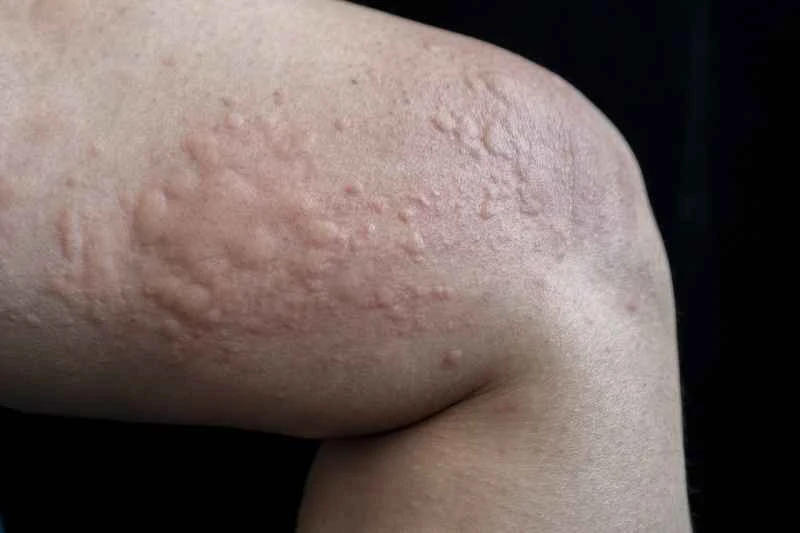
A scar on the chest is formed during the healing process after the skin has been injured; it is a mark left by the repair of skin tissue.
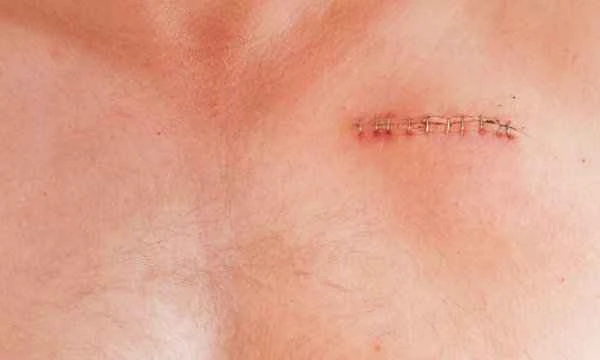
The importance of assessing chest scars lies in their ability to help us understand the wound healing process, promptly identify potential problems such as infection or scar hyperplasia, and thus take appropriate treatment measures.
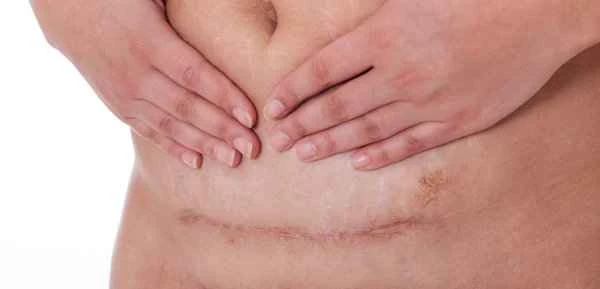
In practice, we can assess the condition of a scar by observing its color, texture, shape, and changes in the surrounding skin. Normally healing scars are typically red or pink; over time, the color fades, the texture becomes smoother, and the shape becomes more regular. If a scar becomes red, swollen, painful, itchy, or abnormally darkens, this could be a sign of infection or other complications, requiring prompt medical attention.
When observing and assessing scars, it's important to maintain objectivity and understand that scar formation is a complex process influenced by various factors, including individual differences, the severity of trauma, and treatment methods. Even if a scar doesn't look ideal initially, there's no need to worry excessively. However, regular observation is necessary, and professional medical help should be sought promptly if any abnormalities occur.
【Useful Tips:】
1. Pay attention to the color change of the scar. The color of a normal scar will gradually fade.
2. Observe the texture of the scar; a smooth scar is usually a sign of good healing.
3. If symptoms such as redness, swelling, or pain appear around the scar, seek medical attention promptly.
4. Regularly observe changes in the scar and record them for reference when communicating with your doctor.