Whether or not a shot is needed after being bitten by a monkey depends on the condition of the wound and the monkey's health. When bitten by a monkey, the primary concern is preventing rabies and other possible bacterial infections. This is because a monkey's mouth may contain various pathogens, including the rabies virus and bacteria, which can be transmitted to humans through bites.
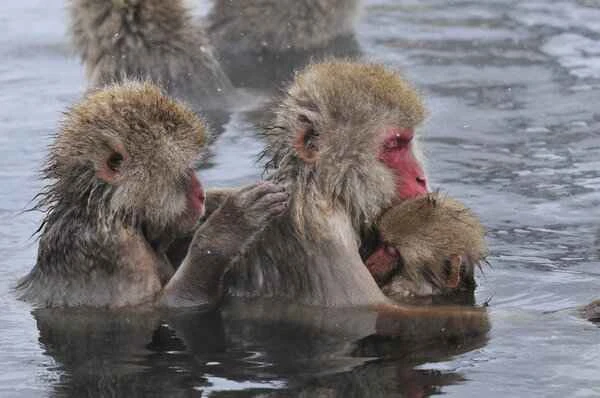
Rabies is a fatal viral disease that is almost incurable once symptoms appear. If bitten by a monkey, especially if the monkey exhibits unusual behavior or poses a risk of rabies, seek medical help immediately. The doctor will determine whether a rabies vaccination is necessary based on the severity of the wound and the monkey's health. The doctor will also decide whether antibiotics are needed to prevent bacterial infection, depending on the wound's condition. These measures are all aimed at ensuring timely and effective control of the infection and preventing the disease from developing.
Besides rabies and bacterial infections, other health risks may exist. For example, monkeys may carry other viruses or parasites, which can be transmitted to humans through bites. Even if the monkey appears healthy, you should seek medical attention as soon as possible after being bitten for a full evaluation and necessary preventative treatment.
[Management Tip:]
1. Immediately wash the wound thoroughly with soap and water.
2. Seek medical attention as soon as possible and get vaccinated against rabies or take antibiotics as advised by your doctor.
3. Observe the wound condition. If symptoms such as redness, swelling, or fever occur, seek medical attention immediately.