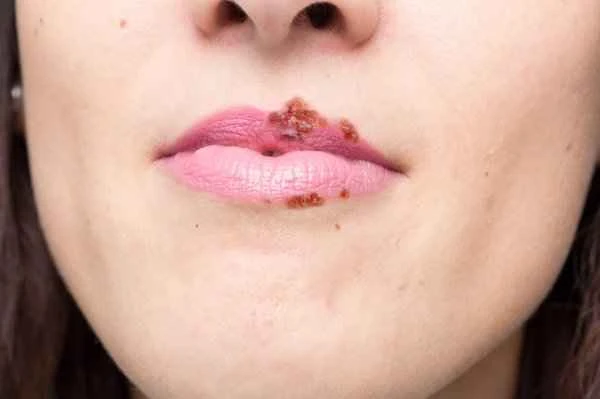
Hypertrophic scarring is a common skin healing response. When hypertrophic scars become abnormally thick, appropriate treatment measures are needed to control their development. The management of hypertrophic scarring involves not only physical interventions but also comprehensive management including medication, lifestyle modifications, and other aspects.

To treat thick, hypertrophic scars, it's essential to first determine the type and extent of the scar, as this helps in selecting the most appropriate treatment. Common treatment methods include medication, laser therapy, and surgical excision. Medication typically involves using topical medications such as silicone sheets or gels, which soften scar tissue, reducing its thickness and hardness. Laser therapy uses the thermal effect of lasers to promote the rearrangement of collagen in the scar tissue, thereby smoothing the scar. For particularly thick scars that are difficult to control non-surgically, surgical excision may need to be considered, combined with skin grafts or subcutaneous implants to improve the scar's appearance and texture. These methods work together, acting on the scar tissue through different mechanisms to reduce hypertrophic scarring.
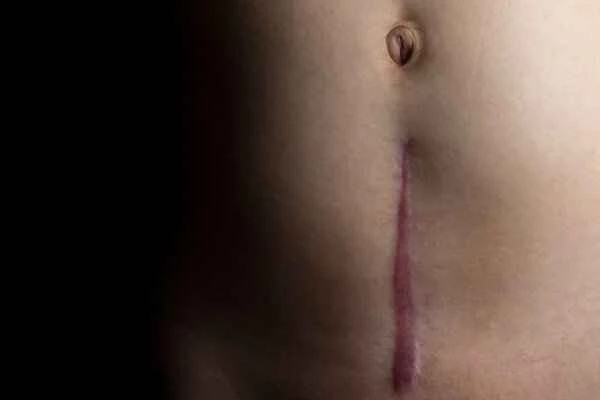
When dealing with thick, hypertrophic scars, patients may encounter some misconceptions, such as believing that all scars can be resolved with simple topical medications, or over-relying on surgical treatment while ignoring the potential benefits of non-surgical methods. In reality, the treatment of hypertrophic scars requires a personalized approach based on the specific condition of the scar and the individual differences of the patient. Side effects may occur during treatment, such as skin infection and hyperpigmentation; therefore, it is essential to closely monitor the skin's reaction during treatment and seek professional medical help when necessary.
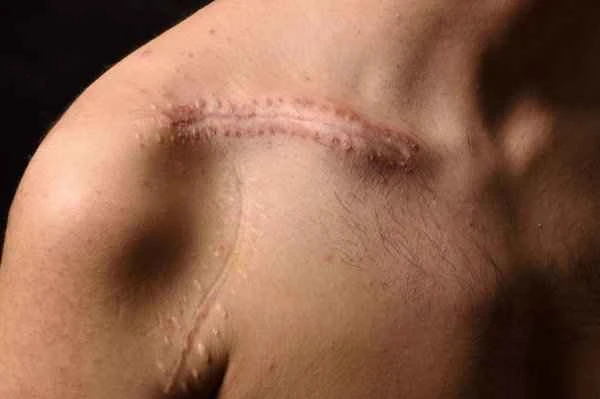
[Management Tip:]
1. Have regular check-ups and evaluations of your scars at the hospital so that you can adjust your treatment plan in a timely manner.
2. Avoid excessive friction or pulling on the scarred area to prevent worsening of scar hyperplasia.
3. Maintain healthy lifestyle habits, such as quitting smoking and limiting alcohol consumption, to promote healthy skin recovery.
4. If redness, swelling, or increased pain occurs, seek medical advice promptly.