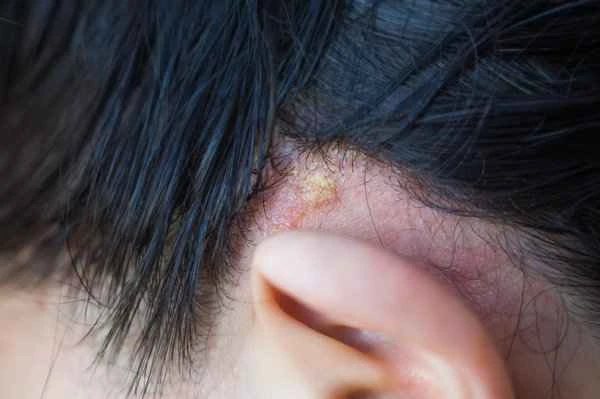
Urticaria itself usually does not directly cause fever, but some children may experience both symptoms simultaneously due to infections or other triggers. Parents are advised to first observe the appearance of their child's rash; if accompanied by fever, they should seek medical attention promptly to determine the cause.
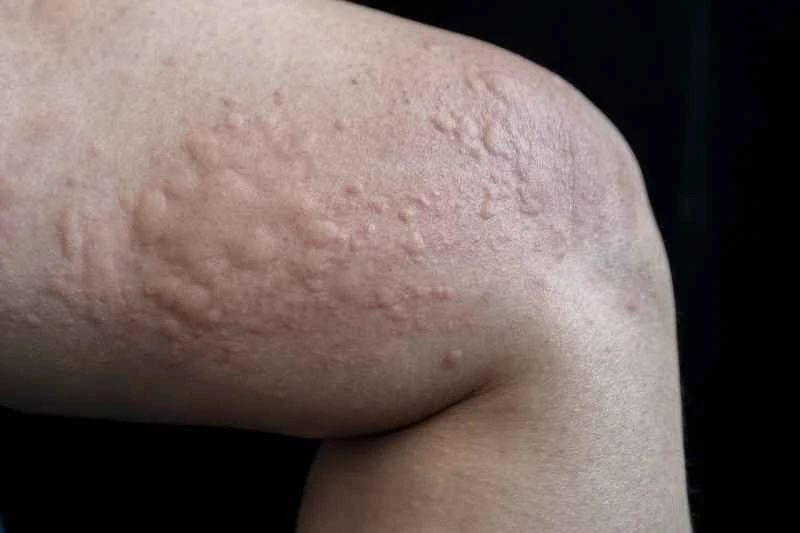
1. Main characteristics of urticaria
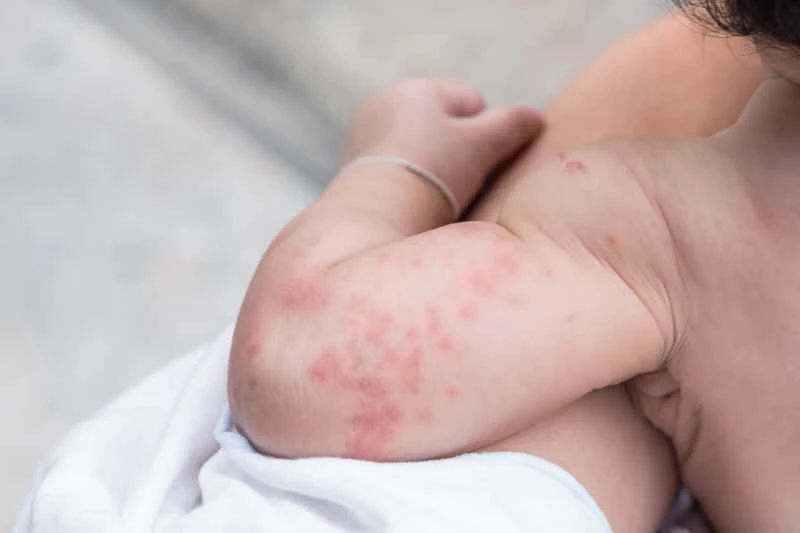
Urticaria typically manifests as the sudden appearance of red or skin-colored wheals on the skin, accompanied by significant itching. The rash usually subsides on its own within 24 hours but may recur. Its causes are often related to allergies, infections, or physical irritants.
2. The relationship between fever and urticaria
When a child develops hives due to a viral infection (such as a cold), fever is a symptom that accompanies the infection and is not directly caused by the rash. Bacterial infections, reactions after vaccination, and other conditions can also cause both a rash and fever.
3. Situations requiring vigilance
If a child has a persistent high fever, a rash that spreads to the lips or eyelids, rapid breathing, lethargy, or swelling in the hands and feet, it may indicate a severe allergy or complications, and medical attention should be sought immediately.
In daily care, dress your child in loose-fitting cotton clothing to avoid skin irritation, and avoid using excessively hot bath water. Recording your child's diet and environmental exposure before the rash appears will help your doctor determine the cause. If itching is significant, your doctor may recommend using children's antihistamines, but medication should be taken only as prescribed. Maintaining a clean home environment and engaging in appropriate exercise to strengthen your child's constitution can also help reduce the frequency of symptoms.