Removal of acne scars along the jawline refers to improving or eliminating the uneven skin texture caused by acne through a series of treatment methods. Acne scars are formed due to abnormal deposition of collagen and elastin fibers during the skin repair process after injury, and usually appear in areas such as the jawline. Removing these scars requires a comprehensive approach considering multiple treatment methods, including but not limited to medication, physical therapy, and surgery, each with its own mechanism of action and indications.
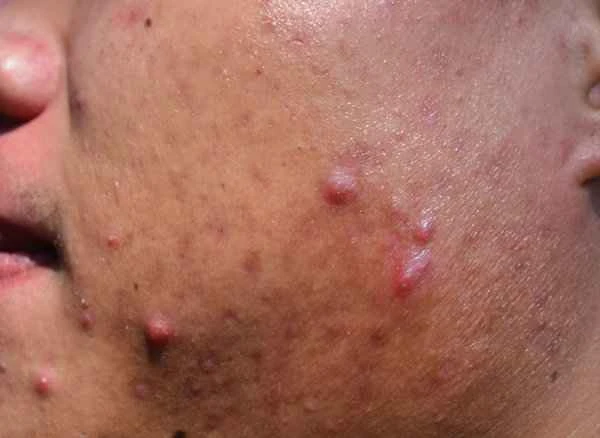
Drug treatment is a common method for removing acne scars along the jawline, including topical and oral medications. Topical medications, such as retinoids, can promote epidermal cell renewal and improve skin texture and color; oral medications, such as isotretinoin, can regulate sebum secretion and promote scar softening and absorption. Physical therapies include laser therapy, microneedling, and chemical peels, which improve the appearance of scars by stimulating the skin to produce new collagen. Surgical treatment is suitable for more severe scars, such as scar excision and flap transplantation, which directly remove scar tissue and restore smooth skin.
When considering treatment to remove acne scars along the jawline, it's crucial to understand that each treatment method carries potential risks and side effects. For example, laser treatment may cause hyperpigmentation or hypopigmentation, while microneedling may cause temporary redness or infection. Common misconceptions also exist, such as believing that all scars can be completely removed or that a particular treatment is suitable for everyone. In reality, treatment outcomes are influenced by various factors, including the type, size, and location of the scar, as well as the individual's skin condition. The choice of treatment method should be based on individual circumstances and a doctor's advice, rather than blindly following trends.
[Management Tip:]
1. Choose a treatment method that suits you and avoid blindly following trends.
2. During treatment, pay attention to moisturizing and sun protection of the skin to promote skin recovery.
3. Have regular check-ups at the hospital so that the treatment plan can be adjusted in a timely manner.
4. Pay attention to a healthy diet and avoid eating overly greasy foods to reduce sebum secretion from the skin.