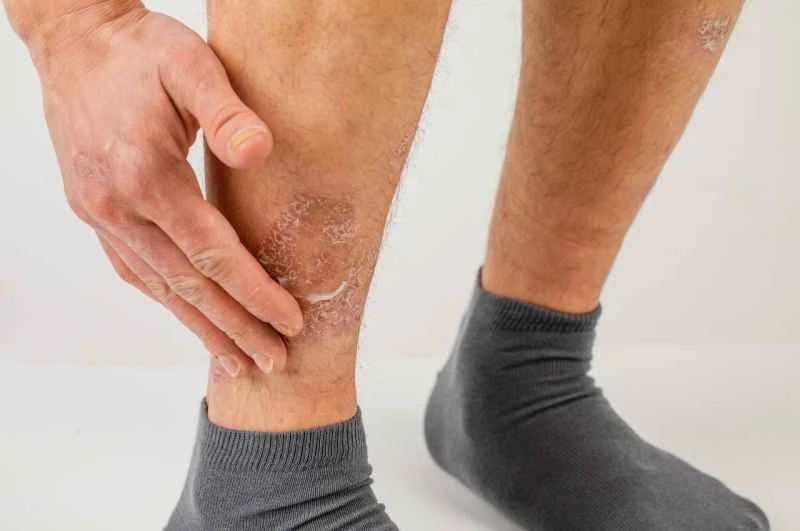
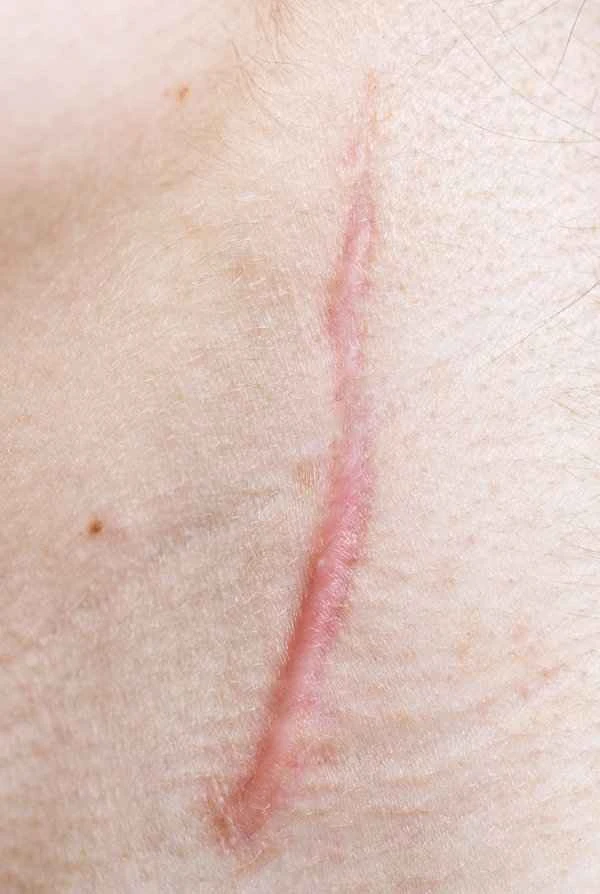
Scars on the nose can be caused by trauma, surgery, infection, or other skin conditions. Scar formation is a natural response in the skin's self-repair process, but sometimes scars can become unsightly or affect function.
There are many reasons why scars form on the nose, including trauma (such as falls or collisions), post-surgical complications, and skin infections (such as acne or folliculitis). Accompanying symptoms may include local redness, swelling, pain, or itching. The characteristics of scars also vary; some are flat, while others may be raised or depressed, and may even be accompanied by pigmentation or changes in skin texture. If a scar affects breathing or the sense of smell, it may be due to scar tissue hyperplasia and requires closer attention.
When dealing with nasal scars, patients must understand that not all scars require treatment; minor scars may fade over time. If a scar is accompanied by pain, signs of infection, or functional impairment, it is essential to seek medical attention promptly. Trying to use scar repair products without a doctor's recommendation may cause skin irritation or other adverse reactions, so it is crucial to consult a professional physician before attempting any treatment.

[Prevention Tips:]
1. Avoid injury to the nose, such as by wearing appropriate protective gear during sports activities.
2. Pay attention to personal hygiene and avoid skin infections around the nose.
3. For existing scars, regular use of scar repair products recommended by a doctor can help improve the appearance of the scars.