Urticaria may resolve on its own, but this depends on the specific situation. It is recommended to observe symptoms promptly and consult a doctor. Most cases of acute urticaria subside on their own within hours to days, while chronic urticaria may recur and requires active intervention.
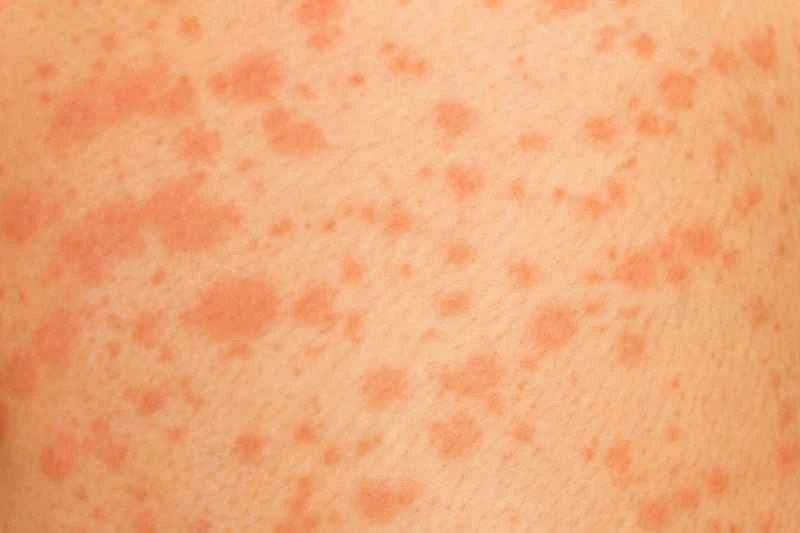
1. Self-limiting nature of acute urticaria: It is usually caused by short-term factors such as food allergies or infections. The skin develops wheals and itching. If the trigger is avoided, the symptoms may lessen within 24 hours and disappear within a few days.
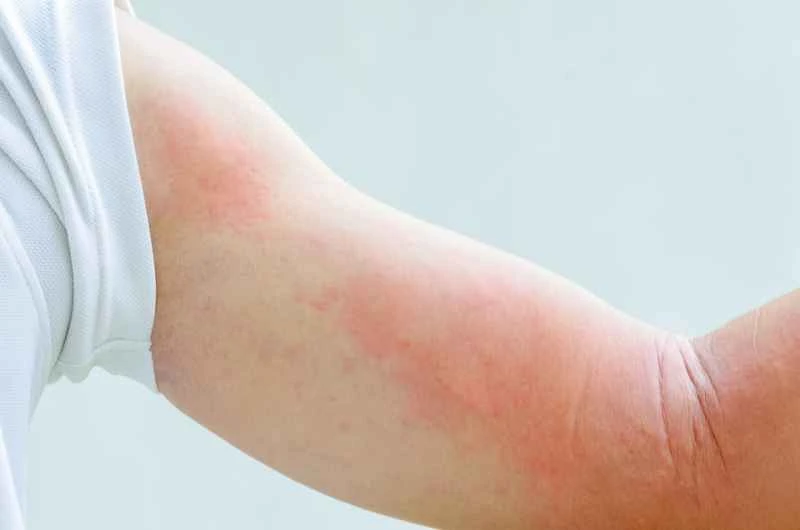
2. Persistence of chronic urticaria: Symptoms recur for more than 6 weeks, which may be related to the immune system, chronic diseases or environmental factors. The probability of spontaneous remission is low and long-term management is often required.
3. Factors affecting self-healing: Individual constitution, the clarity of the trigger, and lifestyle habits (such as stress and diet) can all affect the recovery process. Mild symptoms may subside on their own, but recurring flare-ups should be taken seriously.
If you develop hives, first record the time of onset, triggers, and changes in symptoms. Avoid scratching and contact with suspected allergens. Mild cases can be relieved by applying cold compresses, but if symptoms continue to worsen or affect breathing or swallowing, seek medical attention immediately. Maintaining a regular daily routine and reducing the intake of irritating foods can help your body regulate itself.