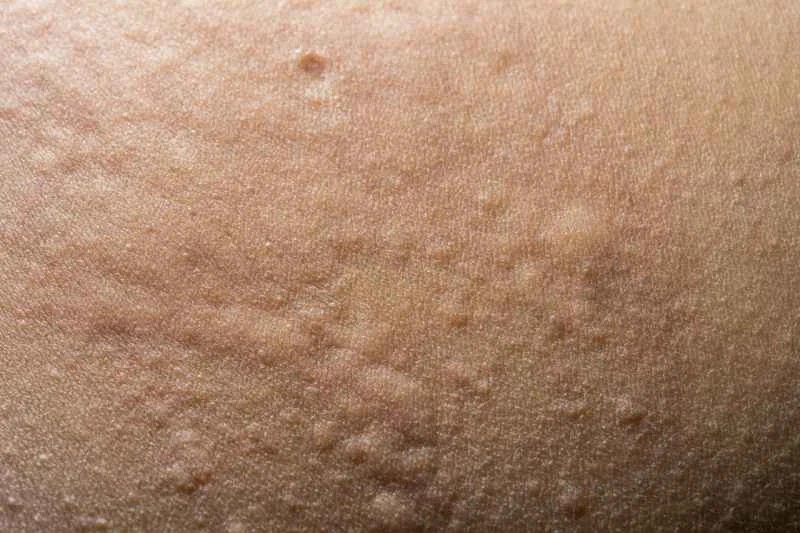
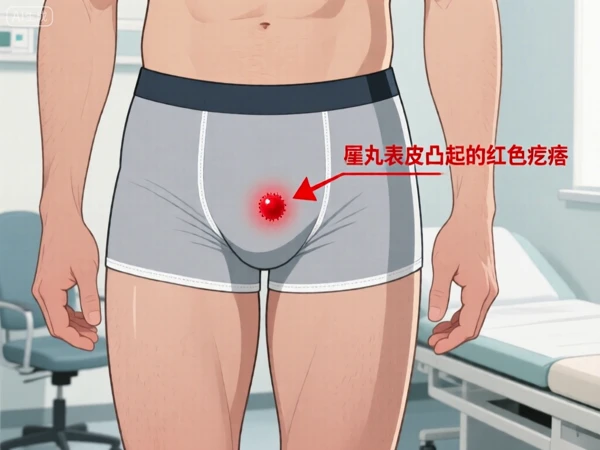
Scrotal folliculitis is a common skin condition, and the key to rapid treatment lies in comprehensive management of inflammation and prevention of infection. Scrotal folliculitis is usually caused by bacterial infection and mainly manifests as redness, swelling, pain, and pustules in the scrotum. The goal of treating scrotal folliculitis is to quickly relieve symptoms, control the infection, and prevent recurrence. This requires a multi-pronged approach, from hygiene and topical medications to possible oral antibiotics, to achieve a rapid cure.
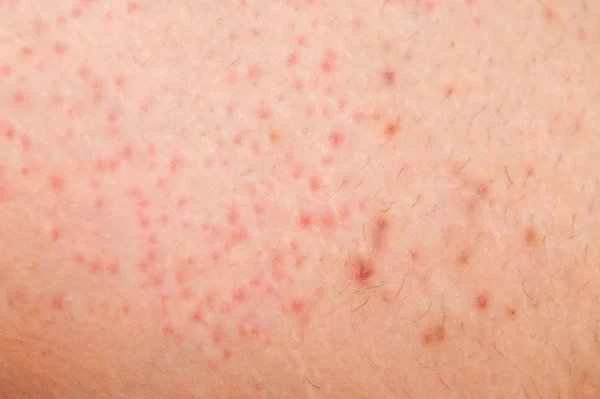
Treatment strategies for scrotal folliculitis include hygiene, topical medication, and possibly oral antibiotics. Keeping the affected area clean and dry is fundamental to preventing infection and promoting healing. This can be achieved by washing the area with a mild, soap-free cleanser and then gently patting it dry with a clean towel. Topical medication is an important part of treating scrotal folliculitis. Ointments containing antibiotics or antifungal ingredients, such as mupirocin ointment or clotrimazole cream, are commonly used. These medications act directly on the infected site, inhibiting the growth of bacteria or fungi, thereby relieving inflammation and pain. In some cases, if topical treatment is ineffective or the infection is more severe, oral antibiotics, such as penicillins or cephalosporins, may be necessary. These can reach the infected site through the bloodstream for more effective control of the infection. It is important to note that you should avoid squeezing the pustules during treatment, as this can worsen the infection or lead to more serious complications.
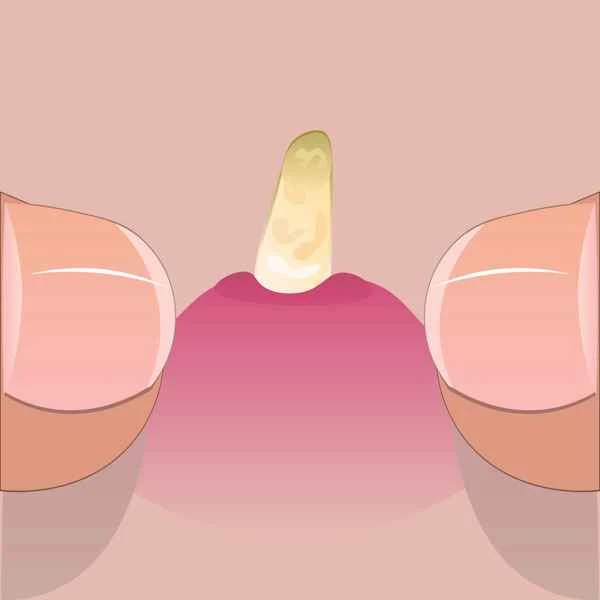
When treating scrotal folliculitis, patients may encounter some common misconceptions, such as believing it's a rare condition that doesn't require special attention, or mistakenly assuming any redness, swelling, or pain is folliculitis, leading to improper treatment. In reality, while scrotal folliculitis is common, accurate diagnosis and treatment are crucial for avoiding complications and promoting rapid recovery. Upon experiencing related symptoms, it's essential to seek medical attention promptly for diagnosis by a professional doctor and the development of a personalized treatment plan based on the specific situation.
[Management Tip:]
1. Keep the affected area clean and dry, and avoid using strong cleaning agents.
2. Use topical ointments correctly as directed by your doctor, and avoid squeezing the abscesses yourself.
3. If symptoms worsen or persist, seek medical attention promptly.