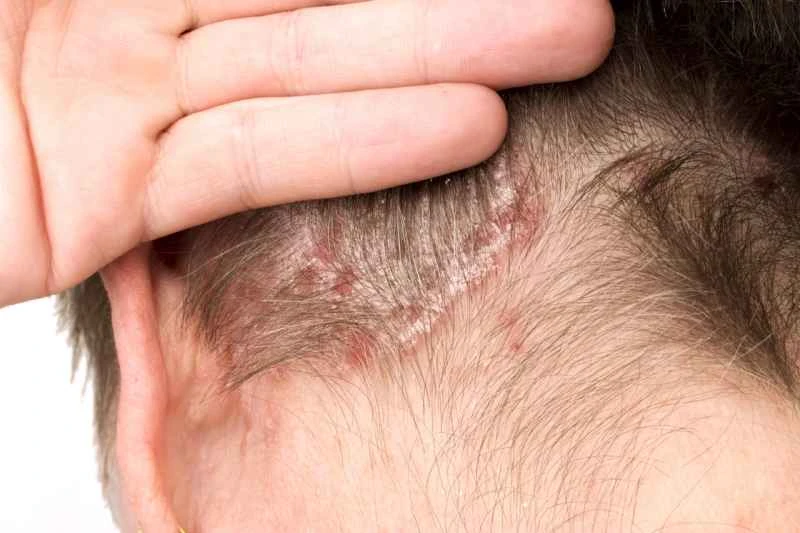
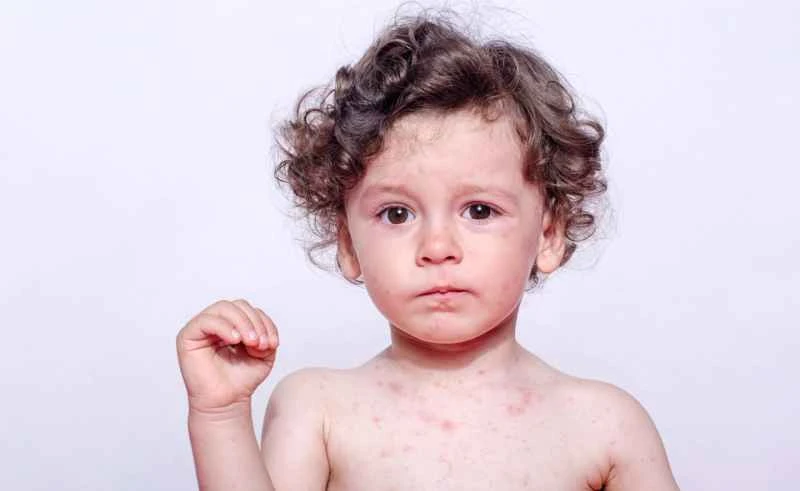
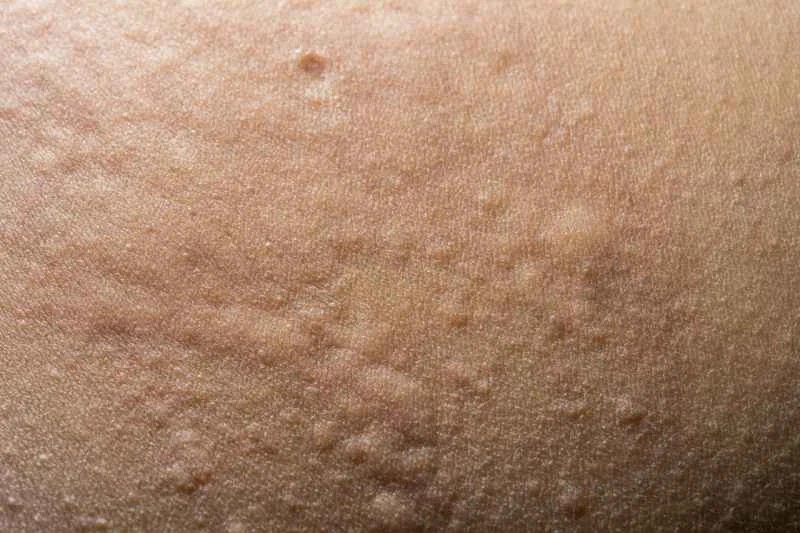
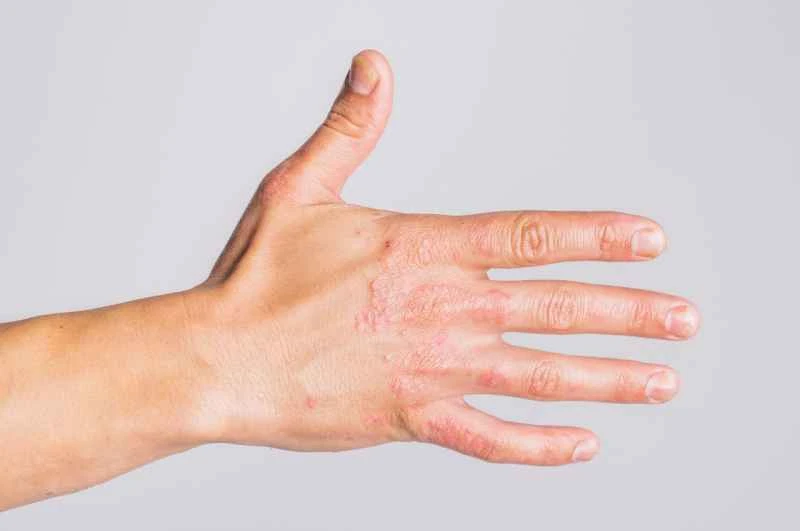
When hives flare up, adjusting your diet may help relieve symptoms. It is recommended to prioritize light, easily digestible foods and pay attention to your individual reactions to specific foods.
1. **Consume more anti-inflammatory foods.**
Some foods may help reduce inflammation in the body. For example, fresh fruits and vegetables are rich in vitamins; whole grains such as oats and brown rice, as well as fish rich in Omega-3, such as salmon, are good choices.
2. **Be aware of foods that may trigger discomfort.**
Some foods can be triggers, but not all affect everyone. Common triggers include seafood, nuts, some fermented foods (such as cheese), processed foods containing artificial additives, and spicy seasonings. Keeping a food diary can help you discover your own patterns.
3. **Maintain a simple and regular diet.**
During an attack, try to use cooking methods such as steaming and boiling, and avoid frying and grilling. Ensure you drink plenty of water to help your body metabolize. Also, eat three regular meals a day, avoiding overeating to reduce the burden on your digestive system.
In general, no single food can guarantee to be "effective" for everyone. The key is to observe your own situation and establish a balanced, light diet. If symptoms recur or worsen, be sure to consult a doctor promptly for professional diagnosis and treatment.